BRICS New Delhi Declaration
BRICS Summit Adopts New Delhi Declaration and Expands Local Currency Trade
Anonymous
Key Points
1
BJP MP Ravi Shankar Prasad said the summit included discussions on economic relations and bilateral meetings, and claimed that China had extended a “new hand of friendship” toward India while the leaders of Russia, Malaysia and Iran praised Prime Minister Narendra Modi.
2
Congress leader Rajesh Thakur argued that condemning terrorism was not, by itself, evidence of a concrete achievement, saying: “It cannot be that any country in the world supports terrorism… What they have gained from BRICS should be told to the public.”
3
Rajan Kumar said the disagreement involving Iran and the UAE centered on the precise wording of the declaration, with Indian and other BRICS Sherpas working to adjust the language and secure consensus.
4
Kumar said describing BRICS’ shift away from dollar-based trade as “de-dollarisation” may be imprecise; he suggested “localisation of the trade” because members are increasingly conducting transactions in their own currencies rather than creating a shared currency.
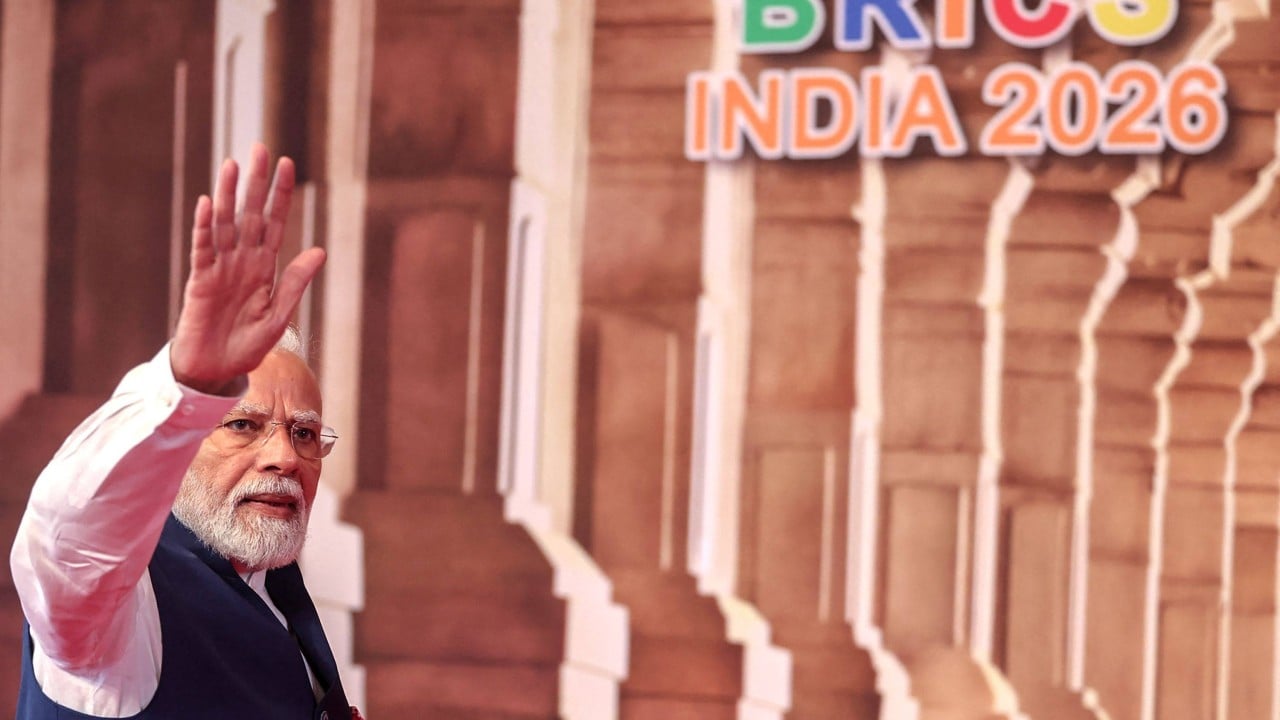
India's BRICS Summit ended with a major diplomatic win: all 11 member nations unanimously adopted the New Delhi Declaration 2026 on September 12, despite tensions between Iran and the UAE over specific wording. Ministry of External Affairs called it a 'major success,' highlighting over 50 outcomes including unanimous condemnation of the Pahalgam terrorist attack that killed 26 people in April and support for India and Brazil's push for greater roles at the United Nations.
The ruling BJP framed the summit as historic, with MP Ravi Shankar Prasad saying China extended a 'new hand of friendship' toward India and that leaders from Russia, Malaysia, and Iran praised Prime Minister Narendra Modi. However, the opposition Congress questioned the practical gains, with leader Rajesh Thakur arguing that condemning terrorism alone does not prove concrete achievements.
How India Resolved Disagreements to Reach Consensus
Late-night negotiations on September 12 resolved the main sticking point: disagreements between Iran and the UAE over precise wording in the declaration text. JNU Associate Professor Rajan Kumar explained that Indian Sherpas and diplomats from other BRICS nations worked to adjust language until all 11 countries could agree. Securing a joint declaration mattered because it counters the perception that BRICS is too divided to function effectively.
China Signs On to Counter-Terrorism Statement
A significant shift came when China agreed to language explicitly condemning cross-border terrorism and naming the April 2025 Pahalgam attack in Kashmir that killed 26 people. Organiser noted this was notable given Beijing's ties with Pakistan. The agreement signals that even amid geopolitical rivalry, BRICS members can find common ground on security threats affecting India's borders.
BRICS Won't Create a Shared Currency Yet
A key misconception emerged around BRICS plans. JNU Professor Kumar clarified that the bloc is not preparing to introduce a common BRICS currency. Instead, members are expanding trade using their own national currencies—what Kumar called 'localisation of trade'—as an alternative to relying on the US dollar. This means Indians, Brazilians, Russians, and others increasingly pay each other in rupees, reais, rubles, and local currencies rather than converting to dollars.
Opposition Questions What India Actually Gained
Congress leader Rajesh Thakur pushed back on the government's celebration, saying condemning terrorism is the bare minimum, not proof of victory. 'It cannot be that any country in the world supports terrorism,' Thakur argued, calling on the government to explain concrete economic or strategic gains from the summit. LiveMint reported that the New Delhi Declaration focused heavily on capital, investment, and development priorities rather than immediate structural shifts.
Sentiment
Mostly PositiveNEGATIVENEUTRALPOSITIVE
Publishers
33
Articles
39
Reach
72
Topics
A
AnonymousAuthor


