31 Kerala Festival Films Await Screening Permission
31 Kerala Festival Films Await Screening Permission
Anonymous
Key Points
1
The dispute echoes an earlier precedent: at the 17th International Film Festival of Kerala in 2025, the Union government initially withheld screening exemptions for 19 films, but state authorities proceeded with screenings while clearances were pending and the exemptions were later granted in stages.
2
The academy’s submission described 347 films in total, while the ministry specifically requested detailed synopses and screeners for 40 films for further review.
3
The academy warned that the uncertainty could cause practical and financial disruption: attending filmmakers and jury members had already finalized travel plans, and screening fees had been paid to distributors for international films.
4
Sanitised Republic: Cast(e) and Contracts follows workers at Delhi’s Kalawati Saran Children’s Hospital and Lady Hardinge Medical College who worked through the COVID-19 pandemic but lost their jobs in June 2022, linking their struggle for job security and dignity to caste and sanitation work.
5
Culture Minister P.C. Vishnunadh argued that audiences should be able to watch the selected films and form, express and critique their own views independently, describing restrictions on rigorously selected works as a curb on film festivals’ curatorial freedom.
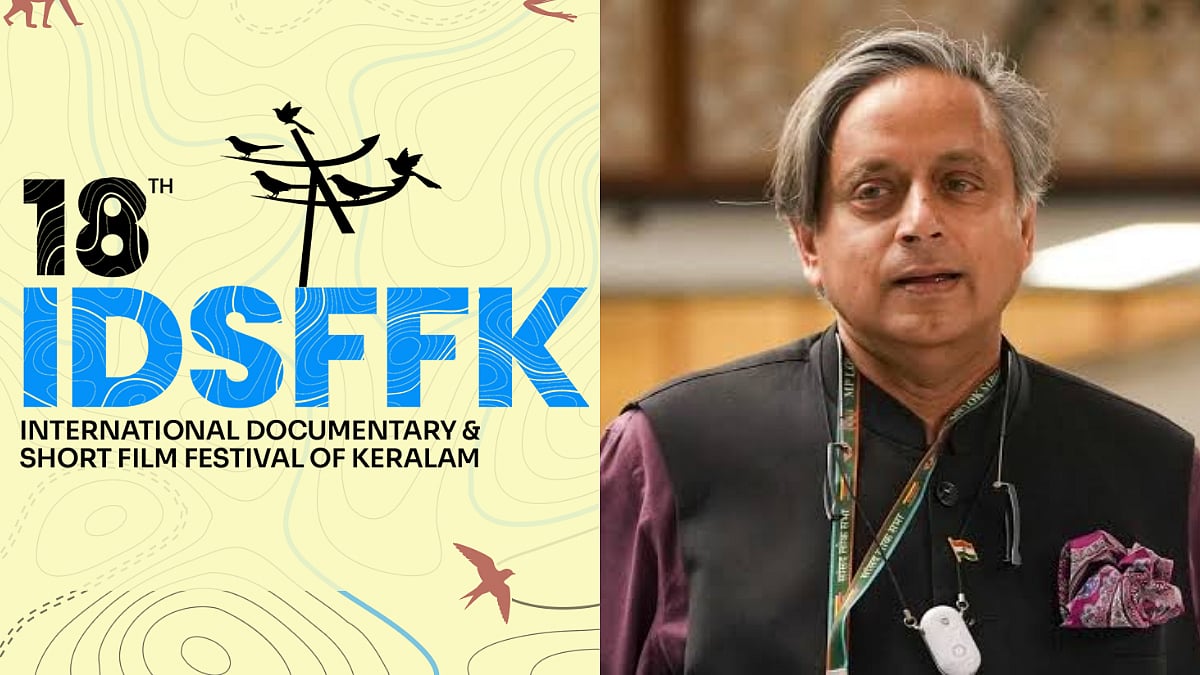
Thirty-one films selected for Kerala's International Documentary and Short Film Festival, set for September 25–30 in Thiruvananthapuram, remain stuck without screening permission from India's federal government. Free Press Journal reports the Union Ministry of Information and Broadcasting is holding the films pending review by home, defence, and external affairs ministries over their subject matter—but has not formally rejected them. The festival, India's largest documentary showcase, faces potential disruption just weeks before opening.
The stuck films include 18 official selections, nine international nonfiction documentaries, three past winners, and one from a Nepal package, according to ANI News. Works affected cover sanitation workers, caste-based labour, Parliament Street history, tribal life in Attappadi, and the Gaza conflict. Kerala Culture Minister P.C. Vishnunadh has urged the centre to reconsider, warning the delay threatens filmmakers' travel plans and pre-paid screening fees.
31 Films Held Up, Awaiting Multi-Ministry Clearance
The Kerala State Chalachitra Akademi submitted 40 films seeking exemptions from standard certification rules, as documentaries and shorts need federal screening permission rather than Board of Film Certification certificates. Hindustan Times explains the ministry released only an approved films list without explaining why 31 remain uncleared. Officials cited subject matter concerns, passing the films to home, defence, and external affairs ministries for further verification.
No formal rejections have been issued. New Indian Express notes the ministry's language—'awaiting further verification'—leaves the films in limbo, neither approved nor denied. This ambiguity has left the academy and state government scrambling to understand decision timelines with the September festival now just weeks away.
A Pattern From Last Year's Documentary Festival
This dispute echoes the 17th International Film Festival of Kerala in 2025, when the federal government initially withheld screening exemptions for 19 films. WION News reports state authorities proceeded with screenings anyway while clearances remained pending, and exemptions were eventually granted in stages. That precedent offers hope but also raises questions about why the same clearance delays are recurring yearly.
The earlier resolution took time and pressure. This year, with 31 films stuck compared to 19 last year, the backlog is even larger. Festival organisers worry that repeating last year's wait-and-hope approach could collapse this year's tighter schedule and international coordination.
Filmmakers, Jurors Face Real Financial Costs
The delay poses practical chaos. The academy warned that attending filmmakers and international jury members have already booked flights and hotels. ANI News notes screening fees have already been paid to distributors for international films. Uncertainty about which films will actually screen makes it impossible to honour confirmed commitments without potential refunds or cancellations.
One affected work, 'Sanitised Republic: Cast(e) and Contracts,' documents workers at two Delhi hospitals who laboured through COVID-19 but lost jobs in June 2022, linking their fight for security and dignity to caste and sanitation labour. These human stories—already selected by festival curators—sit trapped in bureaucratic review while deadlines tick closer.
Kerala Minister Warns Against Curbing Festival Freedom
Culture Minister P.C. Vishnunadh argued that audiences deserve to watch the rigorously selected films and form their own views, without government-imposed limits on what they can see and critique. Free Press Journal reports he framed the hold as a curb on the festival's curatorial independence. He called for the centre to trust the selection process and approve the films so the festival can proceed.
Sentiment
Mostly NegativeNEGATIVENEUTRALPOSITIVE
Publishers
24
Articles
14
Reach
38
Topics
A
AnonymousAuthor