Toxic Haze Spreads
Indonesia Haze Triggers Over 174,000 Respiratory Cases Amid Severe Forest Fires
Anonymous
Key Points
1
Health Ministry official Then Suyanti said the haze contains PM2.5, fine particles smaller than a human hair that can pose respiratory health risks.
2
Indonesia’s dry season typically runs from July through October, a period when the country regularly battles wildfires.
3
The current fires coincide with what experts describe as the strongest El Niño climate phenomenon since comparable records began about four decades ago.
4
Experts say decades of forest degradation and slash-and-burn land-clearing have altered Indonesia’s naturally fire-resistant landscape, making it more vulnerable to severe fires.
Indonesia is grappling with a respiratory health crisis sparked by toxic forest fires. The Health Ministry has recorded 174,694 acute respiratory infection cases across seven haze-affected provinces between August and September 21, BBC reported. More than 40,000 of those cases involved toddlers, highlighting the danger to the country's youngest residents.
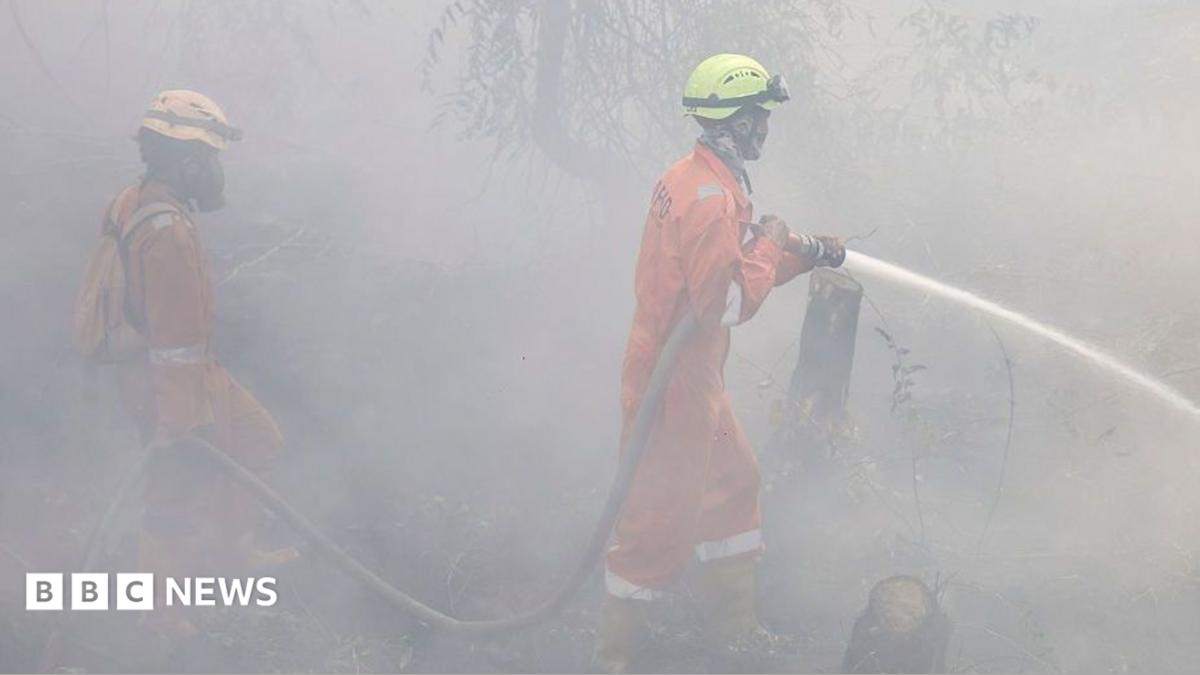
The wildfires have blanketed Borneo, Sumatra, and Papua in thick smog, with toxic air drifting into neighboring Malaysia and Singapore as well. Yahoo News noted the case count jumped sharply from over 113,000 reported just 12 days earlier on September 9, showing how quickly the crisis has worsened.Yahoo News
Dangerous Particles in the Air Harm Lungs
The haze contains PM2.5 — tiny particles smaller than a human hair that lodge deep in the lungs. Health Ministry official Then Suyanti explained these particles pose serious respiratory risks. BBC reported that health authorities have been warning residents to limit time outdoors, wear masks, and stay hydrated to protect themselves from the toxic air.
El Niño Intensifies Dry Season Fires
Indonesia's dry season runs from July through October, when wildfires routinely spread. This year is far worse than usual. Experts describe the current El Niño as the strongest recorded in about four decades, supercharging the natural fire season. The combination has created perfect conditions for massive blazes to rage unchecked across the region.
Decades of Forest Loss Made Landscape Vulnerable
Indonesia's forests are no longer naturally fire-resistant. Experts say decades of deforestation and slash-and-burn land clearing have degraded the landscape, leaving it exposed to severe fires. Climate change has also played a role, altering weather patterns and drying vegetation faster. What once would have been contained now spreads rapidly across weakened terrain.
Government Deploys Medical Supplies to Affected Areas
The Health Ministry is working to contain the health crisis. Authorities have shipped oxygen concentrators, oxygen canisters, and masks to the seven haze-choked provinces. Newsy Today reported officials are urging residents to take precautions. Still, with the fires still burning and dry season continuing through October, medical systems remain under severe strain.
Sentiment
Mostly NegativeNEGATIVENEUTRALPOSITIVE
Publishers
14
Articles
34
Reach
48
Topics
A
AnonymousAuthor


