Nationwide Protest Mapping
Rahul Gandhi Launches Digital Platform to Map Nationwide Protests and Grievances
Anonymous
Key Points
1
The platform was launched a day after Mahatma Gandhi’s 157th birth anniversary, and Rahul Gandhi linked its name and purpose to Gandhi’s philosophy of Satyagraha, or peaceful resistance for truth.
2
People can submit their stories in about two minutes before they are represented on the nationwide map.
3
Gandhi framed collective action as central to the initiative, saying, “truth is the greatest weapon” and that “an even greater weapon is standing together with truth in unity.”
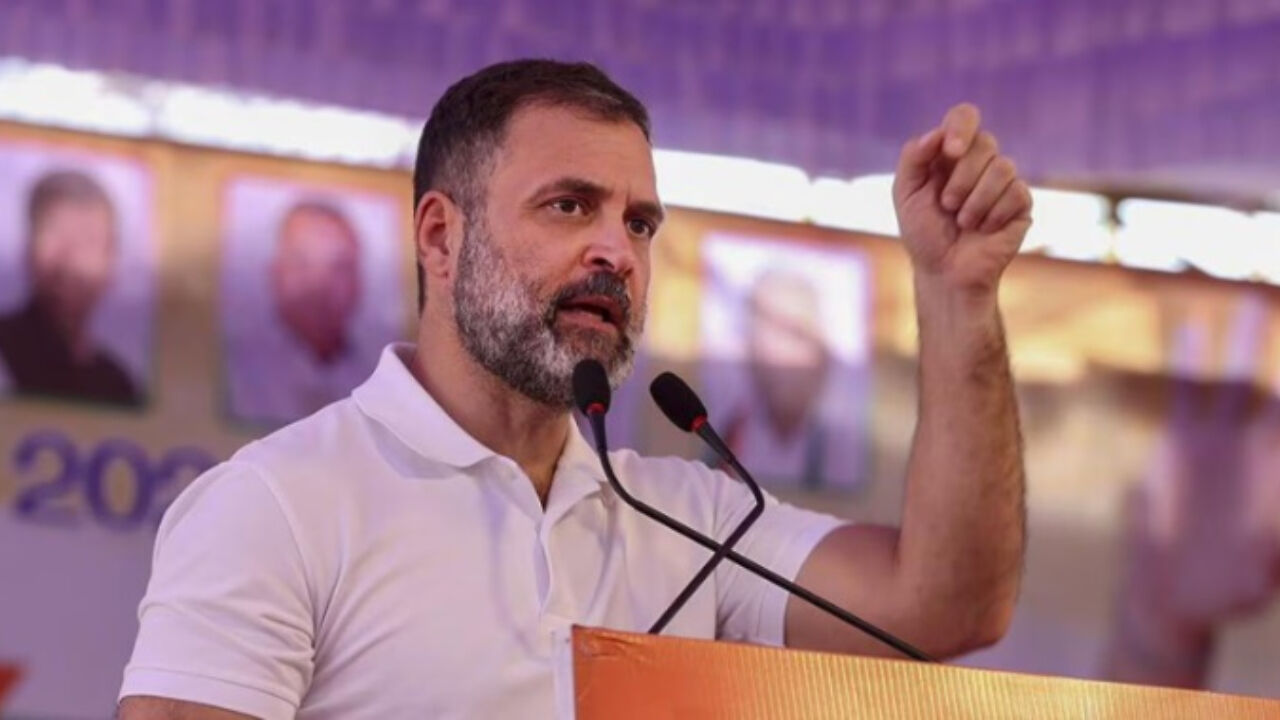
Rahul Gandhi, Leader of Opposition in India's parliament, launched 'Satyagraha,' a digital platform inviting citizens to share stories of injustice and struggle Economic Times. The website maps protests nationwide across issues like land rights, inflation, and women's rights, and lets users find others facing similar problems. Gandhi named the platform after Mahatma Gandhi's philosophy of peaceful resistance, launching it a day after the independence icon's 157th birth anniversary Times of India.
People can submit their stories in about two minutes, with submissions appearing on an interactive nationwide map Times Now News. Gandhi pledged to raise these grievances in Parliament, through public campaigns, and by contacting authorities. He framed the effort around unity, saying 'truth is the greatest weapon' and 'an even greater weapon is standing together with truth in unity' Timeline Daily.
Platform Designed to Unite Fragmented Movements
Satyagraha consolidates information from issue-based protests across India under one searchable map Free Press Journal. The tool helps activists connect with movements addressing similar concerns. Users facing problems with land ownership, student loans, or agricultural policies can discover others in their region pushing for change. The two-minute submission process removes barriers to participation Times Now News.
Named After Gandhi's Philosophy of Peaceful Resistance
Gandhi deliberately chose 'Satyagraha,' a term meaning 'truth-force' in Hindi, to honor Mahatma Gandhi's nonviolent resistance against British colonial rule Timeline Daily. The launch timing—one day after October 2, Mahatma Gandhi's birth anniversary—reinforced this symbolic connection. The platform channels Gandhi's legacy into a modern tool for collective action and accountability Economic Times.
Focus on Students, Farmers, and Women's Issues
Gandhi highlighted that Satyagraha targets grievances from multiple communities: students struggling with exams and fees, farmers fighting for rights and fair prices, and women facing discrimination Economic Times. Inflation and cost-of-living concerns also feature prominently. By mapping these diverse struggles geographically, the platform aims to show how widespread discontent reaches across India's regions Free Press Journal.
Gandhi Commits to Raising Issues in Parliament and Beyond
The Opposition leader pledged three actions with submitted stories: raise them in Lok Sabha debates, organize public campaigns around validated grievances, and write to authorities demanding policy change Times of India. This three-pronged approach positions Satyagraha as a feedback loop—citizens submit concerns, Gandhi amplifies them through official and public channels. The platform essentially turns individual grievances into collective political pressure Free Press Journal.
Sentiment
Mostly NegativeNEGATIVENEUTRALPOSITIVE
Publishers
30
Articles
40
Reach
70
Topics
A
AnonymousAuthor


