Rare Florida Dengue Outbreak
Three Florida Counties Declare States of Emergency Amid Rare Local Dengue Outbreak
Anonymous
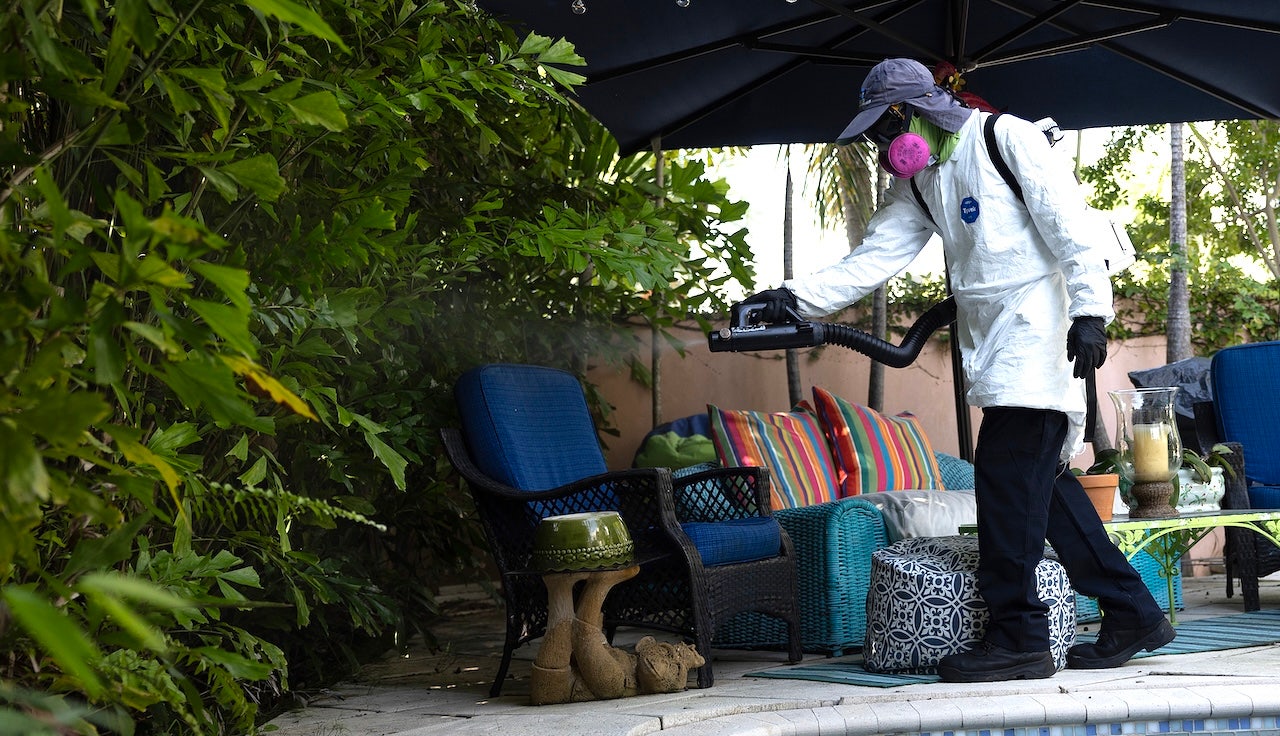
Florida is confronting a rare surge of locally acquired dengue, with about 190 cases and one reported death across several counties—near the state’s 2023 record of 199 and well above last year’s 62. Hillsborough, Pasco and Pinellas counties have declared states of emergency, giving officials more flexibility to fund mosquito-control measures as they work to reduce mosquito populations and remove standing water. Most U.S. dengue cases are linked to travel, making the rise in infections acquired within Florida particularly concerning; experts point to factors including warm, rainy conditions that help mosquitoes reproduce. Dengue is spread mainly by Aedes mosquitoes and can cause severe muscle and joint pain, while a small share of infections develop into life-threatening illness.
Key Points
1
Locally acquired dengue outbreaks in the continental United States are unusual: the last major outbreak outside the Texas–Mexico border region was in Key West in 2009–10, and such cases had not been reported elsewhere in the continental U.S. since 1945.
2
Pinellas County also reported increased West Nile virus activity in sentinel chicken coops, which officials use as an early warning of possible transmission to people.
3
Florida had recorded 212 travel-associated dengue cases in addition to its 190 locally acquired cases, and the virus was detected in 17 mosquito pools.
4
Tampa General Hospital doctors estimated they had treated more than 100 dengue patients. Hospital epidemiology chief Dr. Kartik Cherabuddi said the intensity of patients’ body aches is the main reason they seek emergency care.
5
Dengue has at least four major virus types; infection with one type does not protect against the others, and a subsequent infection can raise the risk of severe disease.
Sentiment
Mostly NegativeNEGATIVENEUTRALPOSITIVE
Publishers
15
Articles
23
Reach
38
A
AnonymousAuthor


