Wildlife Habitat Disruption
New Studies Reveal How Roads and Recreation Severely Disrupt Wildlife Populations
Anonymous
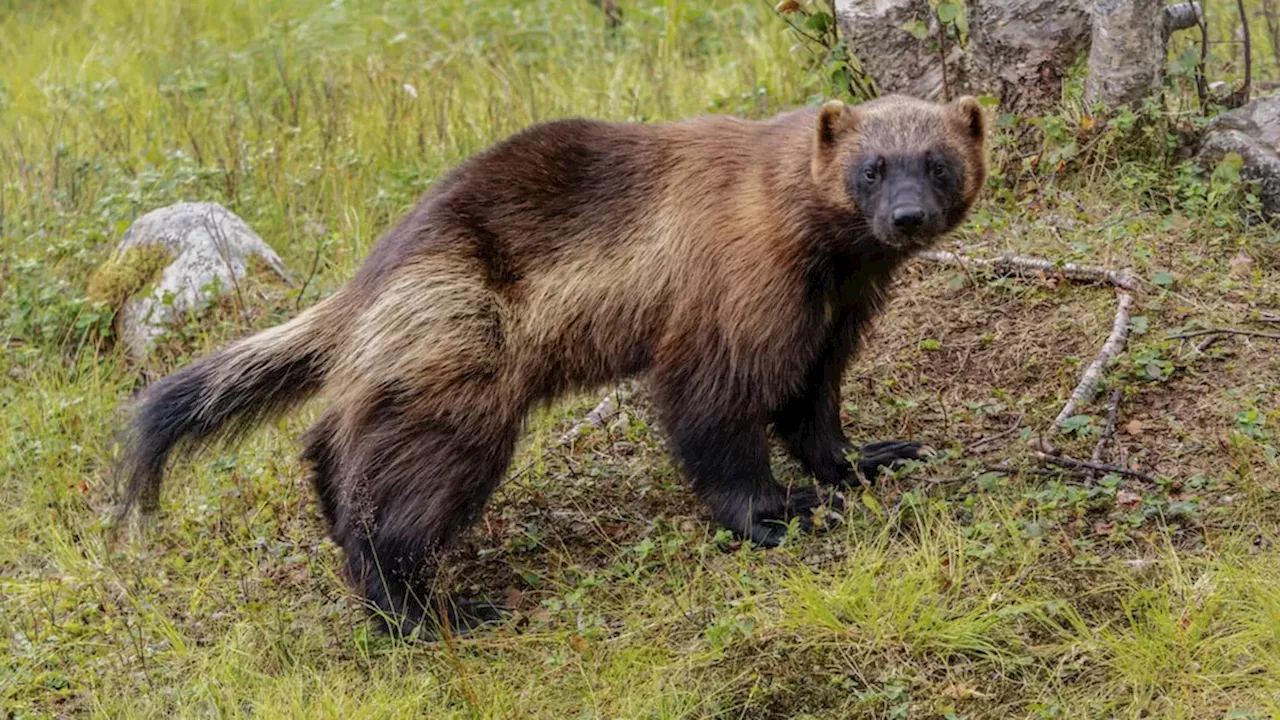
Research in Norway and western Canada suggests that roads, recreation and other human activity are disrupting wildlife habitat and limiting animal populations. In Norway’s Rondane mountains, roads, trails and visitor traffic have fragmented wild reindeer into four effectively separate groups, with traditional movement between northern and southern areas largely halted. A University of Calgary study found low wolverine numbers in parts of Alberta and British Columbia, linking development and recreation to lower population density; researchers estimate populations could be 30 percent higher if road and recreation impacts were reduced. Their recommendations include retaining roadless areas, protecting low-disturbance habitat and restricting recreation near wolverine breeding grounds.
Key Points
1
In Rondane, researchers combined GPS tracking of reindeer with data on traffic and human movement; they found that heavy human presence can be a stronger barrier than the road or trail itself.
2
Reindeer crossings were more likely when few people were nearby, and the animals appeared to favor crossing in daylight and moving into the wind.
3
The wolverine study covered 81,800 square kilometres in western Alberta and eastern British Columbia and estimated that only about 300 wolverines live in the area; lead author Mirjam Barrueto said researchers found particularly few in the Upper Columbia region.
4
The article notes that wolverines were once widespread in Alberta, but trapping and increased settlement reduced their range; current populations generally correspond to areas with relatively little human development.
Sentiment
Mostly NegativeNEGATIVENEUTRALPOSITIVE
Publishers
8
Articles
2
Reach
10
A
AnonymousAuthor


