Nuevo récord astronómico
Astrónomos descubren el planeta más joven conocido en un disco protoplanetario
Anonymous
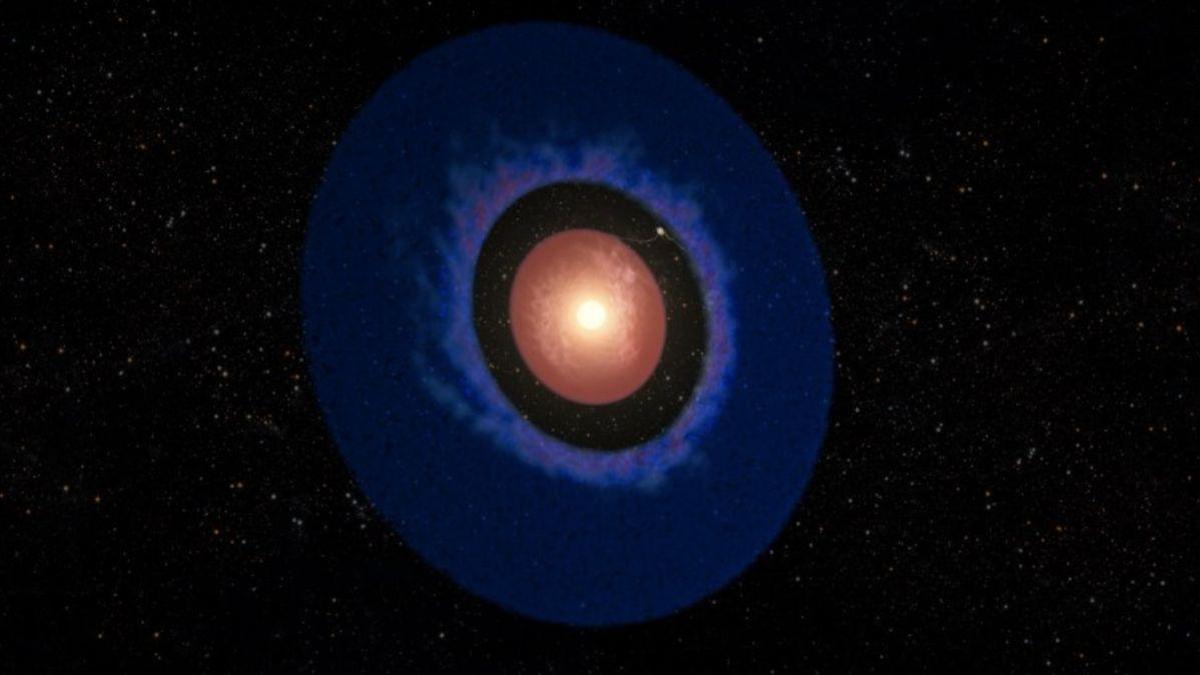
Astronomers have discovered the youngest known planet ever found, breaking the record for infant worlds. La Opinión de Málaga reports the 'baby' planet orbits extremely far from its star and sits inside a gap in the protoplanetary disk — the swirling material that builds new worlds.
This discovery challenges what scientists thought they knew about how giant gas planets form. The planet's unusual position and young age suggest planets can grow through paths that were previously unexpected.
Record-Breaking Youth Rewrites Planet Formation Theory
The newly discovered world is so young it breaks existing records. La Opinión de Zamora confirms this is the youngest planet scientists have ever confirmed. Its tender age changes how astronomers think planets can develop in the first place.
Scientists expected giant gas planets to form closer to their host stars, then migrate outward over time. This baby planet's location and young age suggest a completely different formation process.
A Vast Distance From Its Parent Star
The infant planet orbits at an enormous distance from its star — much farther than typical planets. El Periódico Mediterráneo emphasizes this extreme separation is one of the discovery's most puzzling features.
This great distance matters because planets usually form close to their stars where more material exists. A young planet this far away should not exist — yet here it is.
The Protoplanetary Disk Gap Mystery
The planet sits inside a gap in the disk of material surrounding its star. El Correo Gallego notes this gap should have little dust or gas to feed a growing world. Yet this baby planet thrives there.
Scientists believe gaps form when planets clear material as they orbit. Seeing a young planet inside a gap challenges the order of events astronomers expected. It suggests planets can grow in places scientists thought were too empty.
What This Discovery Means for Planet Science
This young world forces a rethink of planetary birth. El Periódico de Extremadura explains the discovery opens new questions about how gas giants can form and where they can grow.
Future observations of this planet may unlock secrets about how solar systems build themselves. The answers could reshape our understanding of planets across the entire universe.
Sentiment
NeutralNEGATIVENEUTRALPOSITIVE
Publishers
13
Articles
0
Reach
13
A
AnonymousAuthor


