Ancient Aristotle School Found
Greek Archaeologists Uncover Ancient School Complex Linked to Aristotle
Anonymous
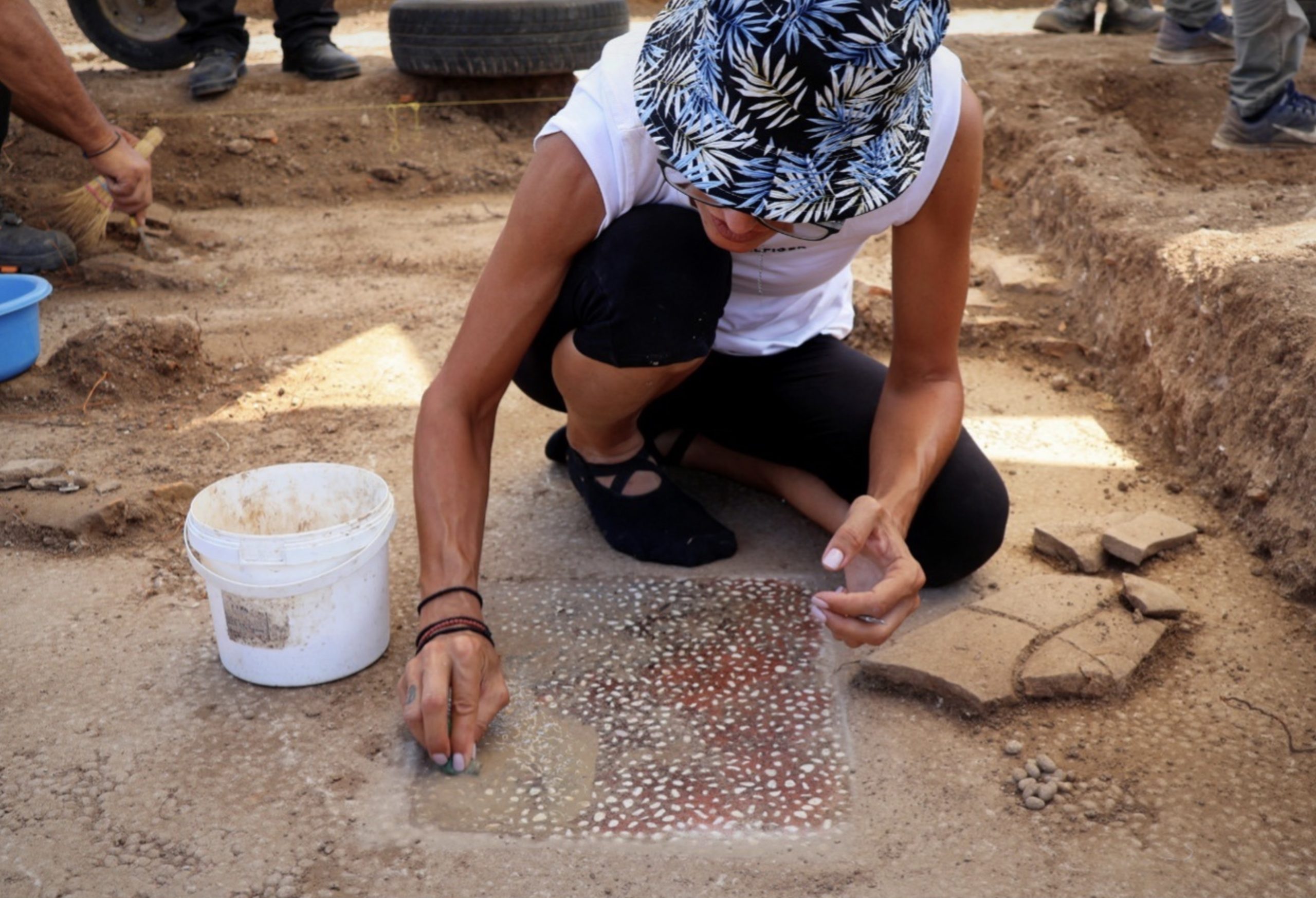
Archaeologists excavating the ancient Macedonian site of Mieza in northern Greece have uncovered substantial remains of a roughly 2,400-year-old gymnasium believed to be the school where Aristotle taught Alexander the Great and other young nobles. Work that began in 2024 has revealed teaching spaces, a palaestra, a stadium, covered walkways and a roofed running track about 200 meters long. Particularly notable are two mosaic-floored banquet halls beside an area identified as the Didaskaleion, or teaching place, with finds including stone desks and writing styluses. The complex suggests that elite education combined physical training with instruction and social life; its architecture and decoration also recall the Macedonian royal palace at Aigai. The identification fits ancient accounts linking Aristotle and Alexander to Mieza, but archaeologists say further research is needed to establish the site’s history and function with certainty.
Key Points
1
The school complex was destroyed by the Romans in 168 B.C.E. after the Second Battle of Pydna, though many plaster walls and stone floors survived.
2
Excavations at the complex took place about two decades ago and uncovered a monument dedicated to nymphs, before the current school-complex excavation began in 2024.
3
Among the finds were a fragment of a Panathenaic amphora, the type of vessel used to hold oil awarded to athletes, as well as coins and pottery.
4
The complex included water systems, and this year's excavation work focused primarily on the palaestra, a space used for wrestling and boxing training.
Sentiment
Mostly PositiveNEGATIVENEUTRALPOSITIVE
Publishers
10
Articles
10
Reach
20
A
AnonymousAuthor


