Ancient Etruscan Tomb Discovered
Archaeologists Uncover Monumental 2,700-Year-Old Etruscan Tomb Filled With Rare Artifacts
Anonymous
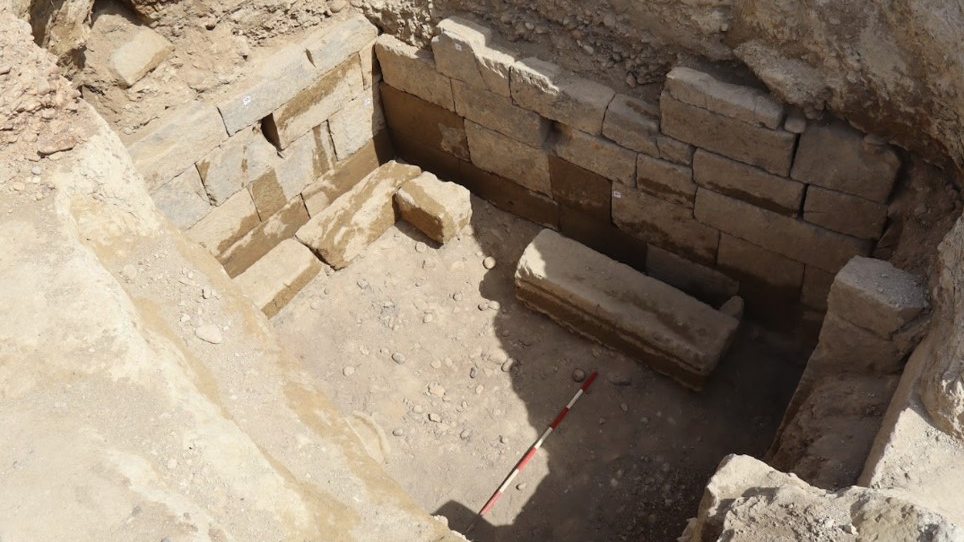
Archaeologists excavating at Vulci, an ancient Etruscan city north of Rome, have uncovered a monumental tomb dating to the seventh century B.C. The three-chamber burial contained weapons, gold and bronze objects, chariot parts, jewelry, clothing, rare women’s shoes and largely intact banquet vessels, despite centuries of attempted looting. A bronze tripod made on the Greek island of Rhodes was among the unusual finds, and researchers say the rich grave goods indicate the tomb belonged to a person of the highest status. The discovery resolves a search begun in 1889, when French archaeologist Stéphane Gsell identified the burial mound’s circular enclosure but did not locate its chamber; researchers believe the tomb may be comparable in size to Vulci’s largest mound. The site has been covered for preservation, with further research planned.
Key Points
1
Some banquet vessels remained where they had originally been placed, offering archaeologists a rare glimpse of how the burial was arranged.
2
Gsell estimated the mound’s diameter at about 31 meters; preliminary calculations suggest it could rival or exceed the Cuccumella, Vulci’s largest known burial mound, which is about 70 meters across.
3
The excavation was part of the 2026 campaign at the Polledrara necropolis, and the team plans to resume research in 2027.
Sentiment
Mostly NegativeNEGATIVENEUTRALPOSITIVE
Publishers
8
Articles
8
Reach
16
A
AnonymousAuthor


