Mecca Drone Interception
Saudi Arabia intercepts Houthi drone headed toward Mecca amid escalating regional conflict.
Anonymous
Key Points
1
Coalition spokesman Turki al-Malki said the drone was intercepted at about 6:50 p.m. local time on Tuesday, with its wreckage falling south of Makkah.
2
Al-Malki declared the security of the Two Holy Mosques and pilgrims a “red line” and said the Saudi-led coalition would take measures to deter further attacks.
3
Houthi military spokesman Yahya Saree claimed Saudi aircraft had carried out more than 450 airstrikes that week and said Houthi forces had repelled two formations of Saudi F-15 and Typhoon jets using locally manufactured surface-to-air missiles.
4
The escalation is rooted in Yemen’s war, which began after the Houthis seized Sanaa and other provinces in 2014 and prompted a Saudi-led coalition intervention in support of Yemen’s internationally recognised government in 2015.
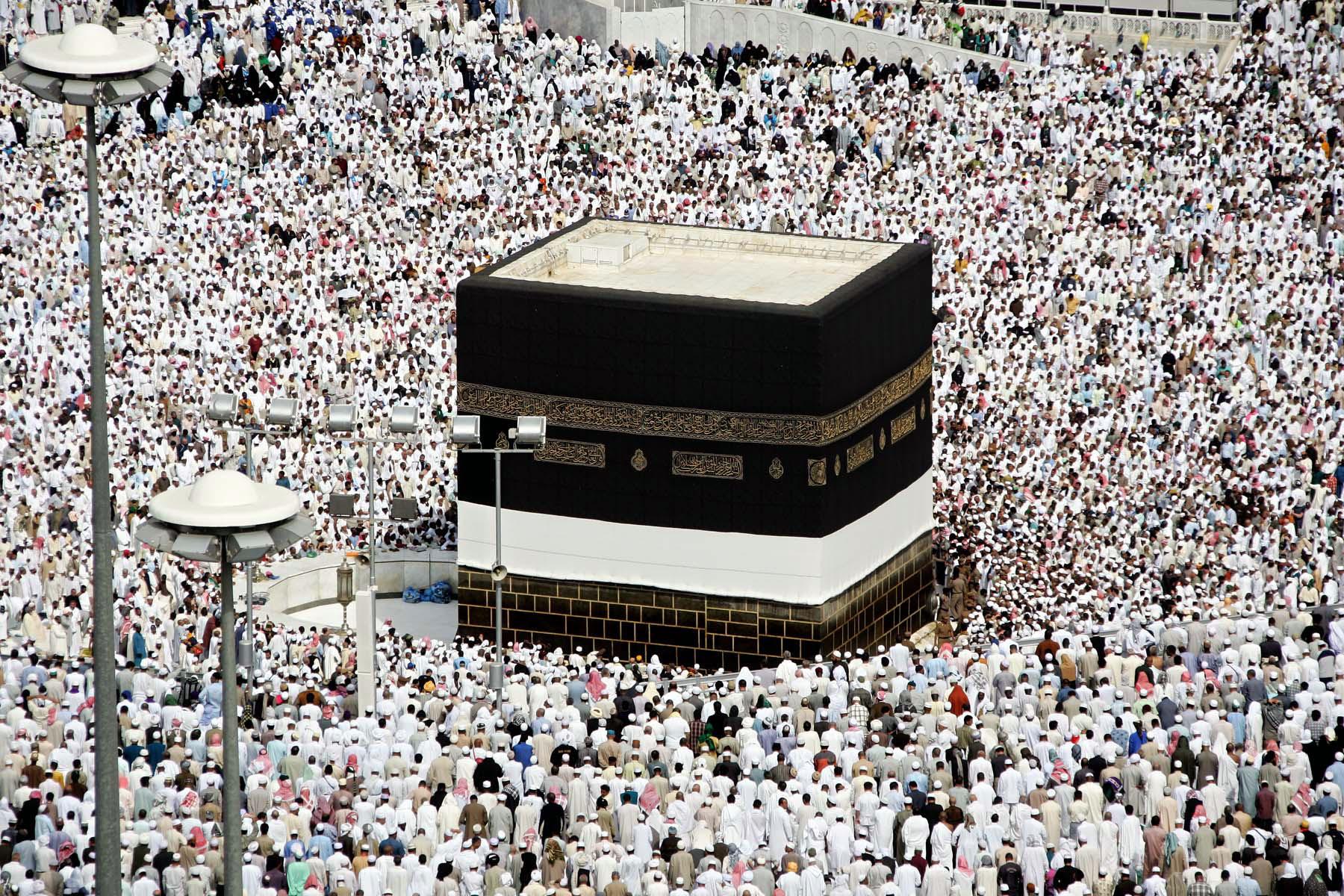
Saudi Arabia said its air defenses intercepted and destroyed a Houthi drone south of Mecca on Tuesday evening, claiming it was the second attempted attack on Islam's holiest city. Coalition Spokesman Major General Turki al-Malki declared the security of the Two Holy Mosques a "red line" and vowed the Saudi-led coalition would take "necessary and deterrent measures" against what he called the "Terrorist Houthi Militia."
The Houthis rejected the accusation as a "worn-out lie," insisting their operations target military and oil facilities, not Mecca or Medina. The escalation marks a sharp uptick in Yemen's long-running war, with both sides claiming military victories—the Houthis alleging they shot down a Saudi F-15 jet, a claim Saudi authorities did not confirm.
The Drone Interception and Saudi Response
The Royal Saudi Air Defense Forces destroyed the Houthi drone at approximately 6:50 p.m. local time on Tuesday, with wreckage falling south of Mecca's restricted airspace. Coalition Spokesman al-Malki confirmed the interception on Wednesday and signaled escalating military action against the Houthis. Saudi civil defense issued emergency alerts across western cities including Jeddah, Yanbu, Taif, and Abha as tensions spiked.
This marked only the second direct Houthi attempt to target Mecca airspace, following a ballistic missile interception in July 2017. The coalition framed the incident as a deliberate terrorist act designed to harm pilgrims and violate the sanctity of Islam's holiest sites, vowing stern retaliation and intensified air operations against Houthi positions.
Wave of Strikes Injures 13 Civilians
Houthi missile and drone attacks on southern Saudi cities in the days before the Mecca interception left 13 civilians injured and caused widespread property damage. Seven homes and two vehicles were destroyed or damaged in strikes on Khamis Mushait, Abha, and Taif. The Saudi-led coalition responded with over 450 airstrikes that week alone, according to Houthi Military Spokesman Brigadier General Yahya Saree.
Saree claimed Houthi air defense forces shot down a Saudi F-15 jet and repelled two formations of F-15 and Typhoon jets using locally manufactured surface-to-air missiles. Saudi authorities did not confirm the F-15 claim, even as both sides escalated rhetoric and military operations across Yemen and western Saudi Arabia.
Houthis Deny Targeting Holy Sites
Houthi officials flatly rejected the Mecca attack allegations as fabrications designed to mobilize Muslim sentiment against Yemen. Houthi Political Bureau member Mohammed al-Farah called it "an outright lie," while colleague Hezam al-Asad dismissed the claim as a "nauseating lie that has been consumed before and no longer fools anyone." The Houthis insisted their operations focus exclusively on military and oil infrastructure.
This stark contradiction—Saudi claiming a direct threat to Mecca, Houthis denying any such intent—reflects the deep mistrust driving Yemen's conflict. The Houthis accused Saudi Arabia of fabricating the story to distract from coalition airstrikes that have ravaged Yemeni infrastructure and civilian areas throughout the eight-year war.
Global Condemnation and Roots of Yemen's War
The Organisation of Islamic Cooperation condemned the alleged attack as a "heinous assault" intended to terrorize civilians and desecrate Islam's holiest sites. Pakistan's Prime Minister Shehbaz Sharif called it an "outrageous act" that deeply disturbed the Pakistani public. The international response underscores the sensitivity of any threat to Mecca, where millions of pilgrims gather annually.
The escalation is rooted in Yemen's 2015 Saudi-led coalition intervention, launched after Houthis seized the capital Sanaa and other provinces in 2014. Nine years of war have killed thousands, displaced millions, and left Yemen on the brink of famine. Tuesday's incident signals no end to the cycle of attack and retaliation that has defined the conflict.
Sentiment
Mostly NegativeNEGATIVENEUTRALPOSITIVE
Publishers
90
Articles
189
Reach
279
A
AnonymousAuthor


