Permafrost Carbon Emissions
Thawing Arctic Permafrost Releases Trapped Gases and Accelerates Global Warming
Anonymous
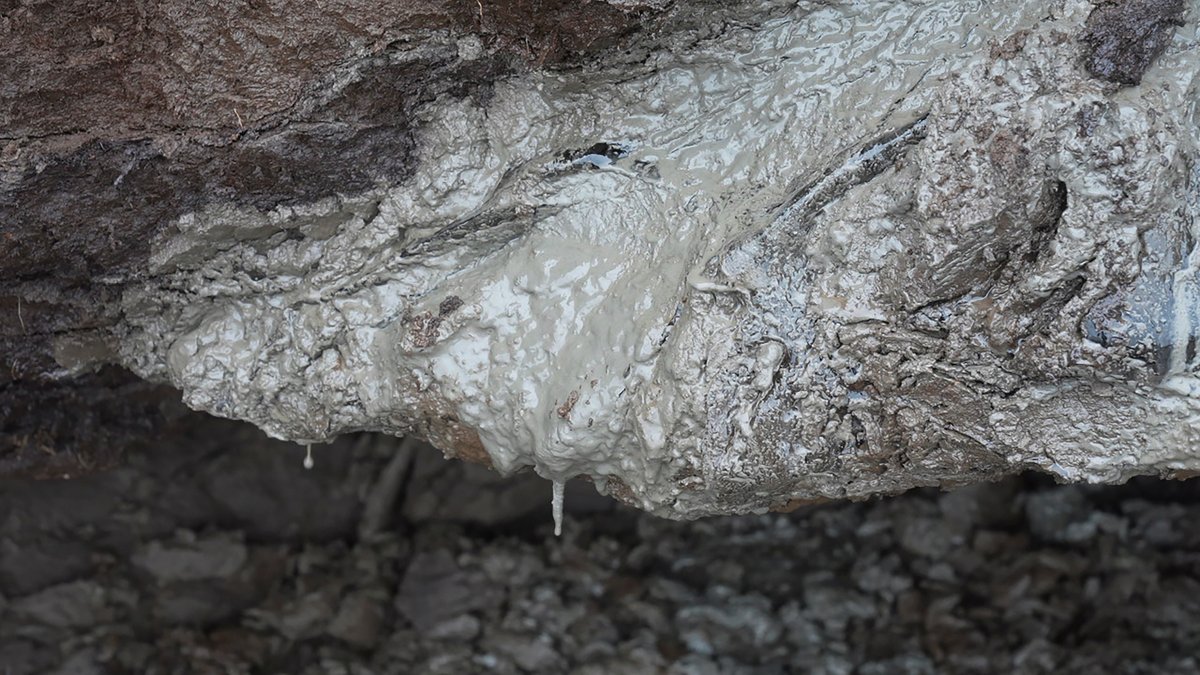
The Arctic is warming about four times faster than the rest of the world, thawing permafrost that for millennia stored decomposing plants and animals. The thaw is releasing methane and carbon dioxide, turning the region from a carbon sink into an additional source of greenhouse-gas emissions. Permafrost holds roughly three times as much carbon as is currently in the atmosphere, and researchers project its emissions could add nearly half a degree Fahrenheit of warming by 2100, on top of warming caused by fossil fuels. Scientists warn that the release may be difficult to stop as thaw continues.
Key Points
1
Thawing permafrost threatens more than the climate: it is also destabilizing northern infrastructure and putting local communities at risk.
2
Ecologist Ted Schuur warned that the release could be difficult to stop: “Once you start leaking this carbon out, there’s so much in the ground that it’s not going to shut off.”
3
Permafrost is widespread beyond the Arctic, occurring in places including Antarctica and high mountain regions; its frozen ground has also provided a stable foundation for communities and industry.
4
Columbia University ecologist Duncan Menge said the Arctic’s role has shifted: rather than reducing climate change, the region now adds to it.
Sentiment
Mostly NegativeNEGATIVENEUTRALPOSITIVE
Publishers
7
Articles
108
Reach
115
A
AnonymousAuthor


