Tesla FSD Safety Data
Early Trial Data Shows Significantly Lower Crash Rates for Tesla FSD in Belgium
Anonymous
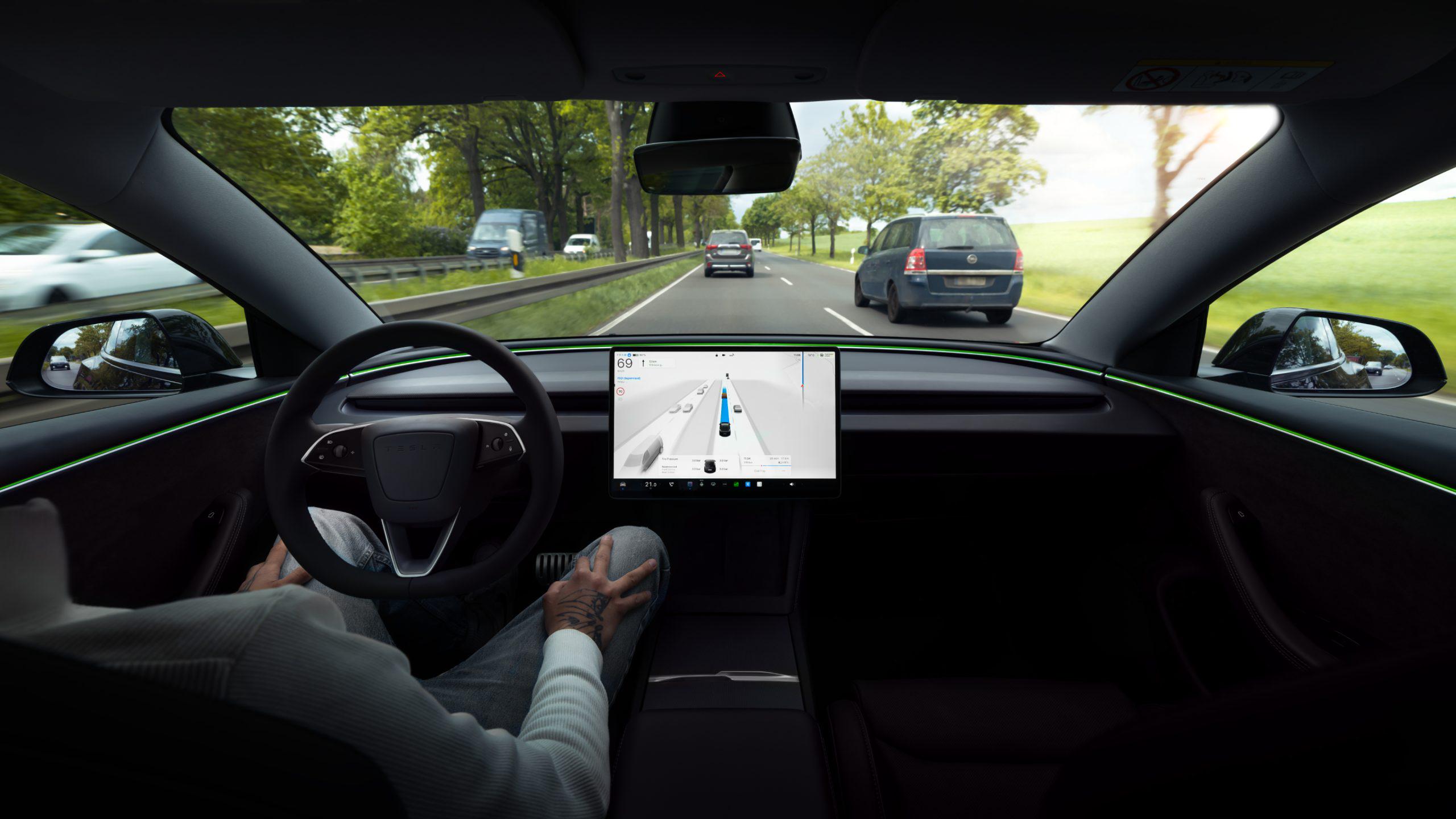
Key Points
1
Belgium approved FSD (Supervised) for public-road use on June 10, 2026, after Tesla completed 5,000 kilometers of supervised testing in Flanders.
2
The Belgian highway comparison involved four collisions over 15.1 million kilometers with FSD engaged, versus 32 collisions over 95.1 million kilometers under manual driving—an approximately 30% lower collision rate with FSD.
3
Tesla-reported Belgian data showed a 93% reduction in automatic emergency-braking activations and reductions of 82% to 90% in abrupt maneuvers, including hard braking and sharp steering inputs.
4
In Australia and New Zealand, the first-year comparison covered 160 million kilometers driven with FSD and 2.4 billion kilometers manually with active safety features enabled; Tesla said the FSD collision rate was one event every 1.78 million kilometers, compared with one every 1.07 million kilometers manually.
5
Tesla said that in Australia and New Zealand, harsh braking fell by 90%, harsh acceleration by 86%, harsh lateral cornering by 76% and horn use by 80% when FSD was engaged.
Tesla's Full Self-Driving (Supervised) system crashed 40% less often than human drivers in early trials across Belgium, Australia, and New Zealand, according to data released by the company. In Belgium alone, FSD-equipped vehicles logged 24.6 million kilometers with just five minor incidents and zero injuries between June and August 2026. Street Insider reported that an EU vote on broader FSD approval has been delayed from October to December, though regulators continue evaluating the technology.
The Belgian trial showed particularly strong results on regular roads, where FSD experienced just one collision over 9.5 million kilometers compared with 150 crashes among manually driven Teslas over 146.9 million kilometers. Highway performance improved by roughly 30%. Tesla also reported that FSD reduced emergency-braking events by 93% and cut abrupt maneuvers like hard braking by 82% to 90%.
Belgium's Real-World Test Shows Clear Safety Edge
Belgium approved FSD for public roads on June 10, 2026, after Tesla completed 5,000 kilometers of supervised testing in Flanders. Over the next 2.5 months, FSD vehicles traveled 24.6 million kilometers with five total minor incidents. None caused injuries. On highways, FSD recorded four collisions per 15.1 million kilometers versus 32 collisions per 95.1 million kilometers under manual driving—a 30% improvement.
Off-highway roads showed even starker differences. FSD had one collision across 9.5 million non-highway kilometers, while manually driven Teslas crashed 150 times over 146.9 million kilometers in the same regions. Flemish Mobility Minister Annick De Ridder confirmed the figures. At least one of the five FSD incidents occurred after a driver disengaged the system manually.
Dramatic Drops in Risky Driving Behaviors
Beyond collision counts, FSD transformed how cars actually drove. Automatic emergency-braking activations fell 93% with FSD engaged. Harsh braking events dropped 82% to 90%. Sharp steering inputs and abrupt maneuvers decreased across the board. These metrics matter because they reflect the smoothness and predictability of the vehicle's behavior on real roads.
Tesla reported similar improvements in Australia and New Zealand over the system's first year. Harsh braking fell 90%, harsh acceleration dropped 86%, harsh cornering declined 76%, and horn use decreased 80%. These reductions suggest FSD avoids the jerky, reactive movements that characterize human drivers in unexpected situations.
Australia Data Shows Consistent 40% Crash Reduction
In Australia and New Zealand, Tesla compared 160 million kilometers driven with FSD against 2.4 billion kilometers of manual driving with active safety features turned on. FSD averaged one collision every 1.78 million kilometers. Manual driving averaged one collision every 1.07 million kilometers. That translates to roughly 40% fewer crashes when FSD controlled the vehicle.
These comparisons rely on Tesla's own data collection rather than independent third-party audits. The company gathered metrics from willing participants who switched between FSD and manual mode. Regulators and safety advocates have called for independent verification of such claims before broader rollout across Europe.
EU Approval Decision Pushed to December
European regulators have delayed a formal vote on FSD approval from October to December 2026. Street Insider reported that the next possible decision window opens in December. The Dutch regulator RDW previously approved FSD for limited trials, signaling openness to the technology, but several EU nations remain cautious about wider deployment without independent safety reviews.
Sentiment
Mostly NegativeNEGATIVENEUTRALPOSITIVE
Publishers
18
Articles
74
Reach
92
A
AnonymousAuthor


