Gaza Disarmament Roadmap Accepted
Hamas Accepts Disarmament Roadmap as Gaza Faces Stalled Reconstruction and Deep Devastation
Anonymous
Key Points
1
Mustafa estimated Gaza’s reconstruction would cost about $73 billion. He also said the Palestinian economy had contracted by around 30%, returning to levels last seen 15 years ago, and unemployment had risen to approximately 50%.
2
Mustafa said Israel had withheld Palestinian tax revenues for 18 months, restricting the government’s ability to provide essential services.
3
Displaced Gazan activist Jamil Abdulnabi called the October 7 attack an “absolute mistake” and said Hamas should “pay for its mistakes” and dissolve.
4
Hamas’s roadmap acceptance is framed as a wager that giving up its weapons and security control could secure an Israeli withdrawal, reconstruction resources and a credible path to Palestinian self-determination—not as a surrender. The analysis says beginning decommissioning would make it difficult for Hamas to reverse course.
Hamas has accepted a U.S.-led roadmap to disarm and hand over governance to an independent Palestinian body, marking a historic strategic shift one year after the October 2025 ceasefire. Palestinian Prime Minister Mohammad Mustafa estimated the war has killed more than 74,000 Palestinians and left Gaza's economy contracted by around 30%, with unemployment at approximately 50%.
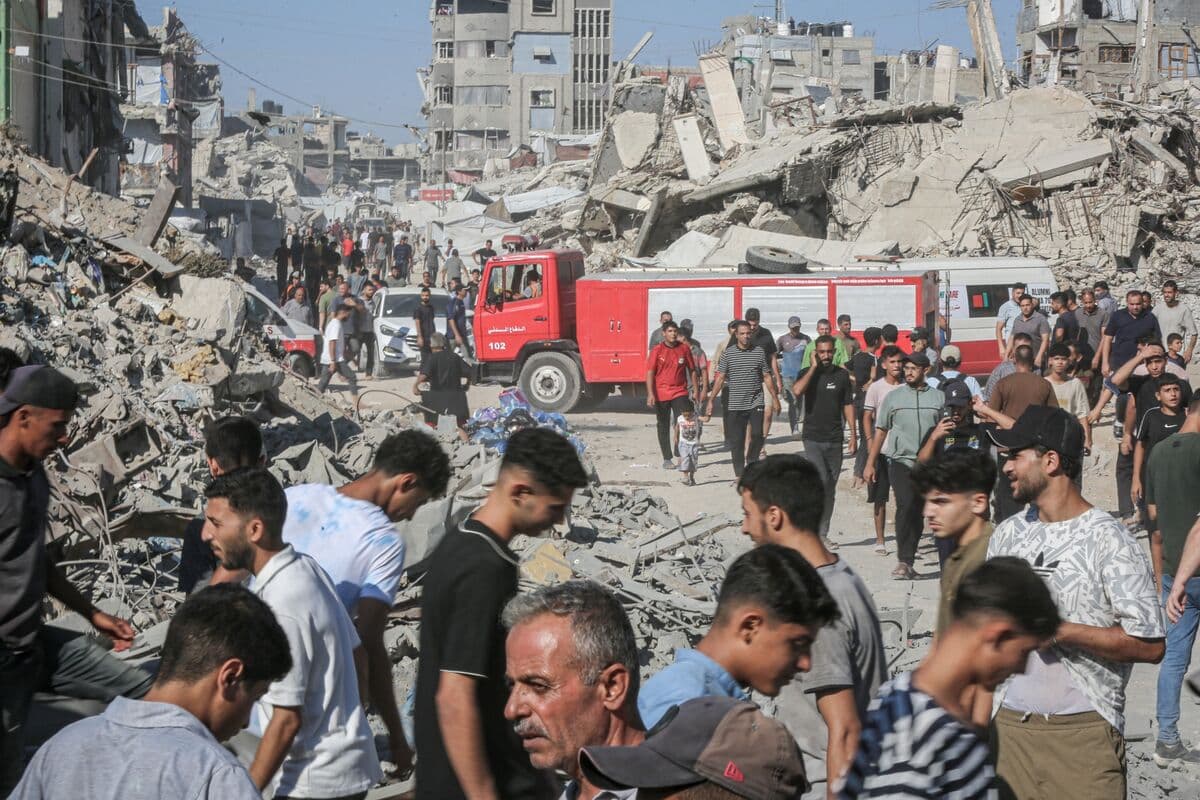
Despite the ceasefire, Gaza remains devastated. Health officials reported at least 1,402 Palestinians killed and 4,881 injured between the ceasefire and September 2026. Reconstruction has stalled, hospitals are overwhelmed, and over 20 billion shekels in tax revenues have been withheld by Israel. Some displaced Gazans have voiced anger at Hamas, calling the movement to dissolve and accept responsibility for the October 7 attack.
The Staggering Cost of War and Displacement
Prime Minister Mustafa said Gaza's reconstruction would cost approximately $73 billion. The Palestinian economy has collapsed to levels not seen in 15 years. Israel's 18-month withholding of Palestinian tax revenues has crippled the government's ability to provide essential services like healthcare and sanitation.
Over 100,000 people remain displaced, waiting for stability to return home. Displaced Palestinian activist Jamil Abdulnabi called the October 7 attack an "absolute mistake" and said Hamas should "pay for its mistakes" and dissolve. His words reflect anger within Gaza itself at the movement's decisions.
Hamas's Calculated Bet on Disarmament
Hamas frames its acceptance of the roadmap not as surrender but as a strategic wager. By giving up weapons and security control, the movement hopes to secure an Israeli withdrawal, reconstruction resources, and a credible path to Palestinian self-determination. The roadmap requires Hamas to begin decommissioning its arsenal.
Once decommissioning begins, reversing course would be extremely difficult for Hamas. Israeli officials have rejected the move as deceptive, casting doubt on whether the disarmament will actually lead to the reconstruction and sovereignty Hamas is seeking. The roadmap's success depends on Israeli follow-through.
Hospitals Overwhelmed, Basic Services Collapsing
One year after the ceasefire, Gaza's health system remains in crisis. Hospitals are overwhelmed with injured patients and lack basic supplies. The continued attacks and casualties—1,402 killed and 4,881 injured between the ceasefire and September 23, 2026—show how fragile peace has been.
Prime Minister Mustafa called for reconstruction led by the private sector with government and international support. Without immediate aid and Israeli cooperation on revenue transfers, Gaza's humanitarian emergency will deepen, making the roadmap's success even harder to achieve.
Sentiment
Mostly NegativeNEGATIVENEUTRALPOSITIVE
Publishers
16
Articles
28
Reach
44
Topics
A
AnonymousAuthor