Refining Geological Dating
Researchers use the historical Pompeii eruption to calibrate and improve argon dating accuracy.
Anonymous
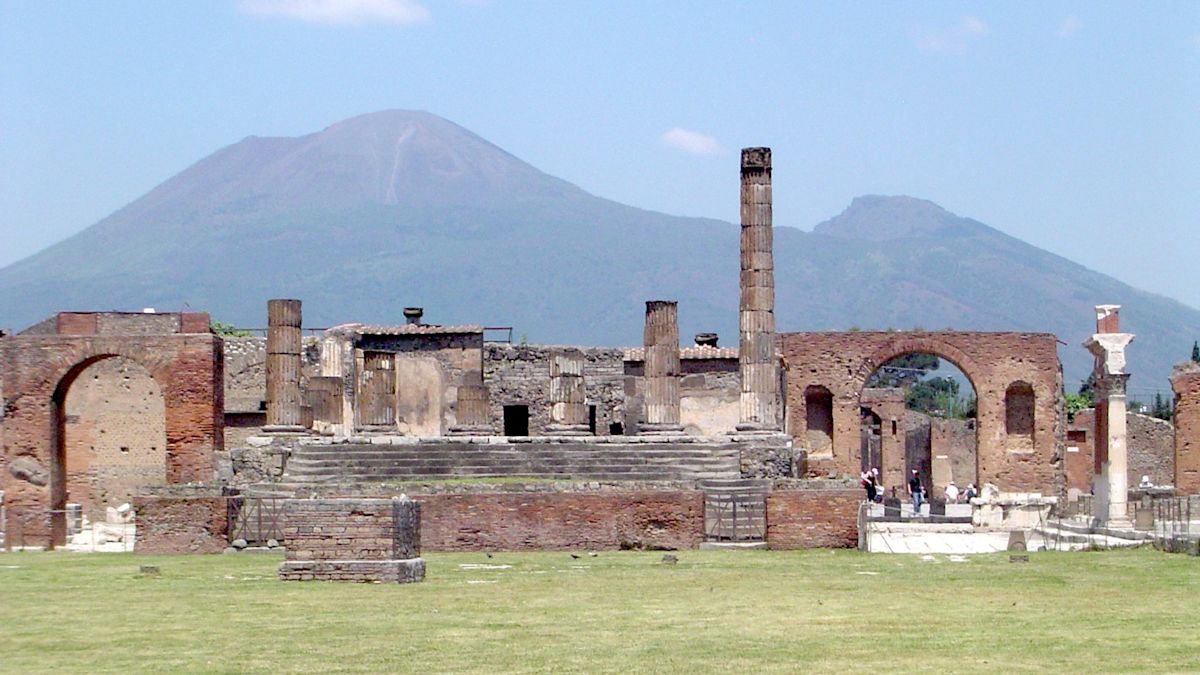
Researchers used Pliny the Younger’s account of the Mount Vesuvius eruption, dated to August 24, 79 CE, to calibrate argon-argon dating against a historical event whose timing is independently documented. Testing volcanic sanidine from Vesuvius, they refined the method’s accuracy and reproducibility, strengthening a tool used to date volcanic rocks and other geological materials. The improvement could help scientists reconstruct the histories of volcanoes that threaten densely populated areas and check other dating techniques, including carbon-14 and uranium-lead dating.
Key Points
1
The recalibrated method was tested on eight Vesuvius sanidine samples and estimated the eruption at 1,938 ±13 years before analysis in 2025; Pliny’s account implies an age of 1,946 years, providing a direct comparison of the method’s result with the historical benchmark.
2
The samples included potassium-rich pumice collected at Oplontis in 1998, a suburb of Pompeii buried in the eruption. They came from the eruption’s earliest stage, and their potassium-rich composition helped researchers improve the dating measurements.
3
Study leader Paul Renne distinguished the two measures behind the improvement: accuracy is whether a result is correct, while precision is whether it can be reproduced. He said both are important for reconstructing the recent eruptive history of a volcano.
Sentiment
Mostly PositiveNEGATIVENEUTRALPOSITIVE
Publishers
9
Articles
12
Reach
21
Topics
A
AnonymousAuthor