New Ebola Drug Trial
Experimental Antiviral Pill Trial Seeks to Halt DR Congo Ebola Outbreak
Anonymous
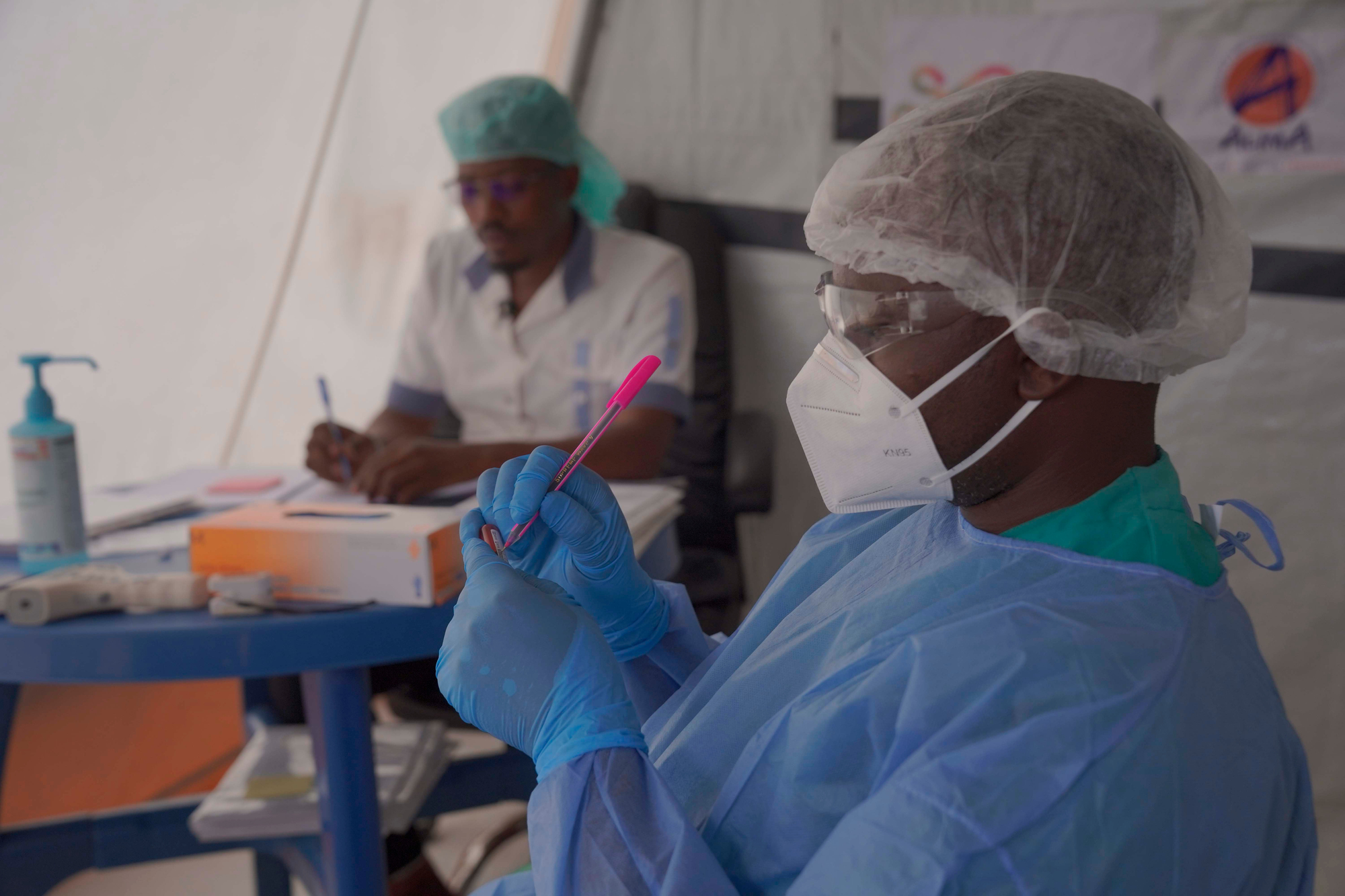
A new drug trial in eastern Democratic Republic of Congo is racing to stop the Bundibugyo virus, Border Telegraph reports. The outbreak, now the deadliest Ebola strain in the region, has no approved vaccine or treatment. Scientists began testing an experimental pill called obeldesivir in July to see if it can prevent infection when given soon after exposure.
The trial targets nearly 1,000 adults and children over 12 who have touched the virus but show no symptoms yet. Herald Scotland notes that Gilead's pill works as a preventive — stopping the disease from developing if taken within days of contact. Researchers will watch participants for 21 days, then check in again after 42 days to track their health.
A Virus With No Defenses
Bundibugyo is a rare Ebola strain that has infected the Ituri province with no way to stop it yet. EDP24 explains the outbreak is spreading through a region with limited medical resources and weak health infrastructure. Health workers, patients' relatives, and other exposed people are the trial's main focus.
How Obeldesivir Could Break the Chain
The experimental antiviral pill works differently than vaccines. Instead of training the immune system, it blocks the virus from replicating inside the body. Chelmsford City News reports that participants receive the pill within five days of confirmed contact with a sick person. The drug aims to stop infection before symptoms ever start — cutting off new cases before they spread further.
A Trial in One of Africa's Hardest-Hit Zones
Ituri province, in eastern DR Congo, has faced decades of conflict and disease outbreaks. East Renn News notes that the region lacks stable hospitals and trained staff. Running a drug trial here means recruiting people directly from outbreak hotspots. The challenge is huge, but so is the potential — if obeldesivir works, it could save thousands of lives in future outbreaks.
Sentiment
Mostly NegativeNEGATIVENEUTRALPOSITIVE
Publishers
26
Articles
146
Reach
172
A
AnonymousAuthor


