Latvian Election Results
Latvian Exit Polls Indicate Pro-European Lead Amid Coalition Uncertainty
Anonymous
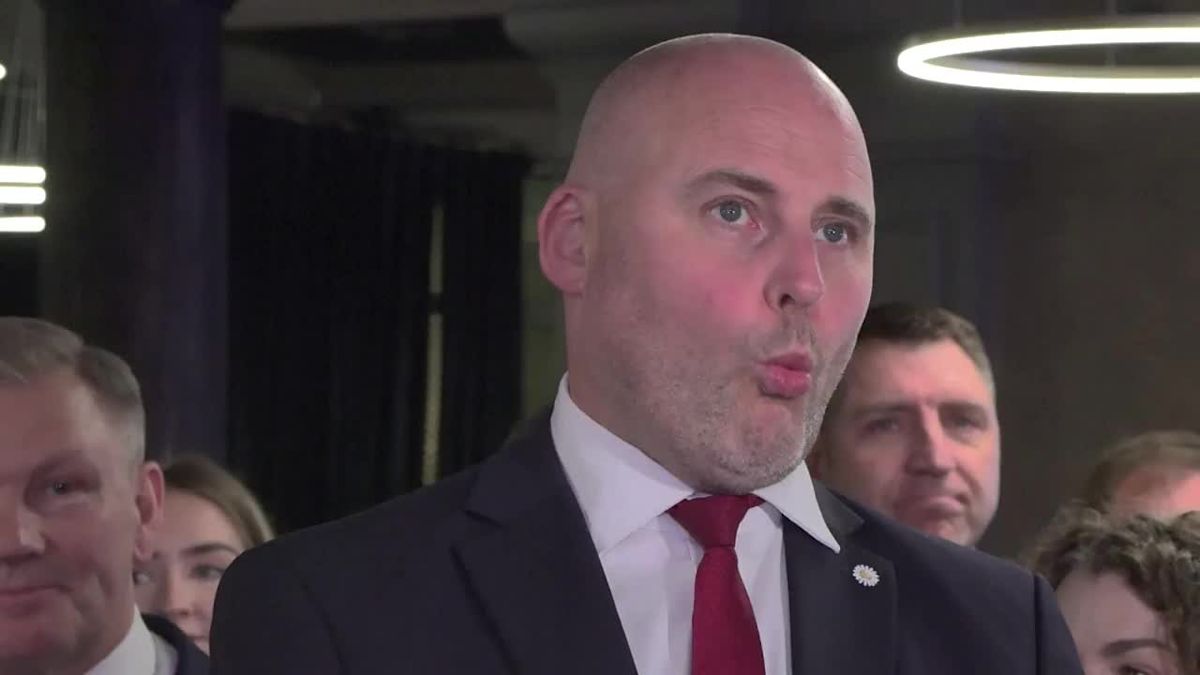
Latvia's voters backed a pro-European path on October 3, with exit polls showing Prime Minister Andris Kulbergs' centre-right United List commanding 35.6 percent of the vote—far above expectations. Al Jazeera reported that Kulbergs, who took office just months earlier, stated at party headquarters: "It's remarkably good. I was not expecting such result." The outcome reflects Latvian concerns over Russian aggression and security, though populist parties made gains by targeting domestic struggles like rising living costs and healthcare strain.
Exit polls showed significant shifts in Latvia's political map. LSM/LTV reported that the Union of Greens and Farmers, a coalition partner, fell to just 3.7 percent—below the 5 percent threshold needed for parliament. Russia-friendly parties Sovereign Power and Latvia First together pulled 22.1 percent, signaling a surge among Russian-speaking voters frustrated by economic hardship. Kulbergs now faces the challenge of building a new governing coalition without his current partners.
A Historic Win for Kulbergs Amid Security Tensions
Kulbergs' party nearly tripled its support from the 2022 election, when it won 11.14 percent. EFE confirmed exit polling showed United List projected to secure roughly 43 seats in the 100-seat parliament. The former amateur rally driver took office in May 2026 after his predecessor resigned over security lapses involving stray Ukrainian drones. On election night, Kulbergs emphasized that "strong economy means strong defence," signaling his focus on both prosperity and national security against Russian hybrid threats.
The scale of Kulbergs' victory surprised many observers. TVP World noted that public broadcaster LSM and pollster SKDS jointly conducted the exit polls shortly after voting ended at 8 p.m. local time. The result vindicated Kulbergs' pro-Ukraine, pro-NATO messaging at a moment when the Baltic nation faces heightened cyber threats and Russian military posturing along its eastern border.
Populist Surge Fueled by Cost-of-Living Crisis
Latvian voters punished the old establishment. Former Prime Minister Evika Siliņa's New Unity party collapsed to 6.7 percent from 19.19 percent in 2022, according to LSM/LTV exit data. Meanwhile, populist and Russia-friendly parties capitalized on voter anger. Latvia First under Ainārs Šlesers, a former oligarch with a MAGA-style message, reached 11.3 percent. Sovereign Power, which opposes Ukraine aid, garnered 10.8 percent. Arab News cited analyst Roberts Kits warning that actual vote counts might shift even higher toward Russian-speaking voters' preferred parties.
Campaigning centered on economic pain. Al Jazeera reported that low wages, healthcare strain, and demographic decline dominated voters' concerns. Populist parties promised to redirect spending away from defense and toward social benefits—a stark contrast to Kulbergs' emphasis on funding national defense. The populist surge signals that while Latvians reject Russian-style authoritarianism, many demand economic relief before military spending increases.
Coalition Building Without Current Partners
Kulbergs' existing coalition crumbled at the ballot box. The Union of Greens and Farmers, which governed alongside United List, failed to reach the 5 percent threshold with only 3.7 percent. Arab News stated the PM must now negotiate a new ruling alliance. He explicitly ruled out joining with Latvia First, the populist faction. Possible partners include the Progressives, which polled at 11.1 to 11.3 percent, or the National Alliance at 8.7 percent.
Political experts urged caution about final numbers. Arab News quoted Secretary General Sigita Struberga of the Latvian Transatlantic Association: actual vote counts often diverge from exit polls. Whichever coalition emerges will likely maintain Latvia's steadfastly pro-EU and pro-NATO stance, prioritizing defense spending and Ukrainian support over rapprochement with Russia.
Sentiment
Mostly NegativeNEGATIVENEUTRALPOSITIVE
Publishers
29
Articles
126
Reach
155
A
AnonymousAuthor


