Data Center Opposition Grows
U.S. Communities Organize Against Data Center Expansion Over Energy and Water Concerns
Anonymous
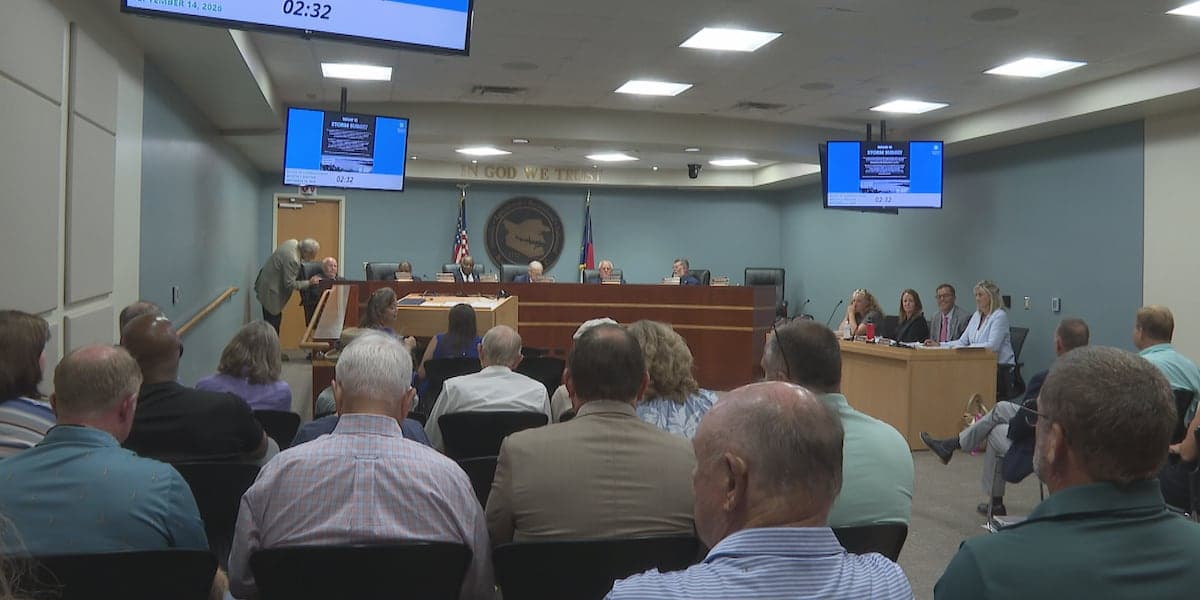
Communities across the country are organizing to question or oppose proposed data centers, citing concerns about their effects on energy and water use, noise, health, land, and local development. In Loudoun County, Virginia, residents are weighing in as officials review data-center standards and locations, while supporters say the industry also brings tax revenue and construction work. Rural areas are increasingly in the path of new development: a coalition counted 580 local opposition groups on Facebook by August, though rural communities may face added obstacles to organizing and influencing policy. In Kentucky, residents are scheduled to share concerns with state lawmakers at a listening session, and Wilmington residents have also gathered to discuss a proposed facility. In Chillicothe, Ohio, Mayor Luke Feeney has sought to clarify the city’s authority and distinguish preliminary discussions from a formal application, approval, or construction.
Key Points
1
Loudoun County had 233 data centers at the time of the report, and the county is revisiting standards that trace back to a 2000 decision that helped establish its data-center industry.
2
Loudoun resident Anita Selino, who said she has asthma, told News4 she feared nearby data-center generators could make it impossible for her to keep living in her home.
3
The rural opposition landscape is growing: researchers counted 580 local Facebook opposition groups with more than 640,000 members by August. Their June tally had found 129 rural groups across 43 states, representing about 27% of the groups then identified.
4
Two-thirds of planned new data centers are headed for rural communities, even though more existing facilities are in metropolitan areas; the article notes newer AI-focused campuses demand substantially more land, energy, and water than earlier-generation facilities.
5
A Loudoun electrician argued that data centers can generate substantial construction work, describing repeated data-hall remodels that employed 10 to 20 electricians working 12-hour days.
Sentiment
Mostly NegativeNEGATIVENEUTRALPOSITIVE
Publishers
21
Articles
10
Reach
31
A
AnonymousAuthor