Orangutan Diet Mastery
Young orangutans spend eight years mastering complex survival and diet skills from their mothers.
Anonymous
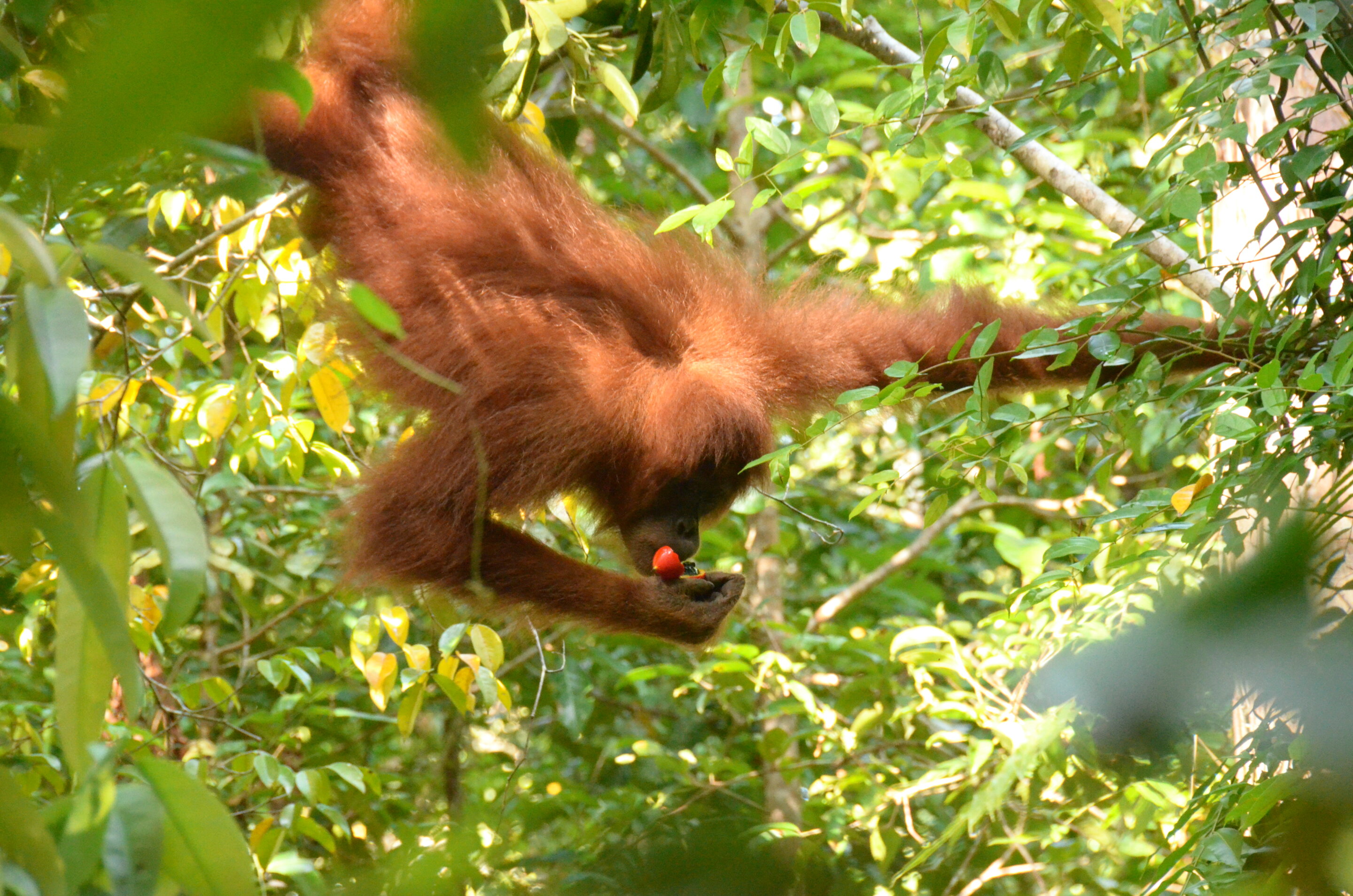
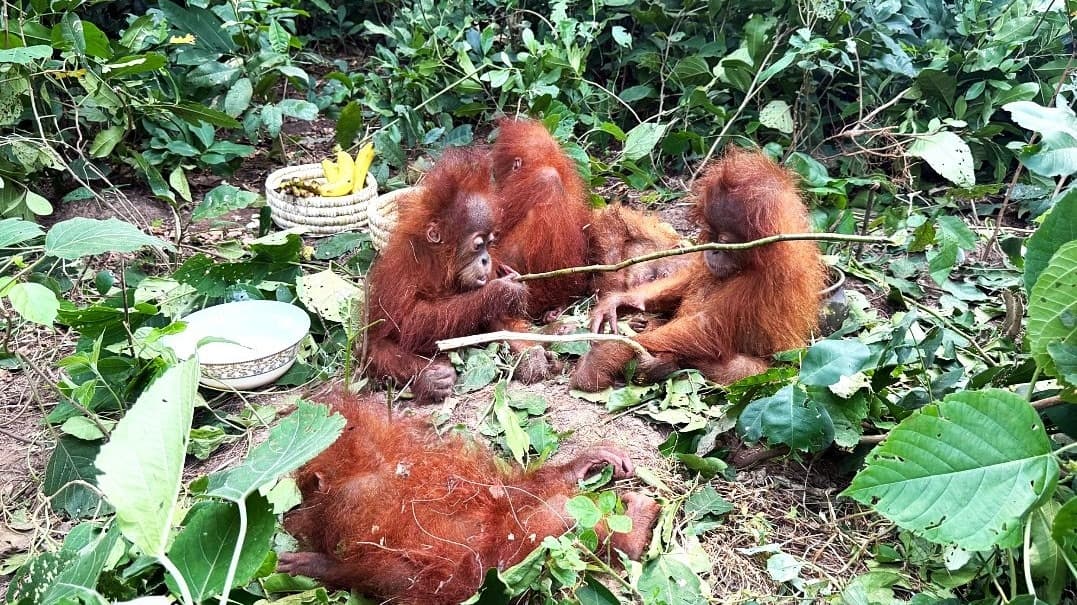
A long-term study of wild Sumatran orangutans found that young apes build the broad food knowledge they need for independence through a combination of watching others and learning through their own exploration. Researchers analyzed thousands of observed learning events among 21 youngsters, finding that individuals differ in how they use these strategies and that social learning can partly make up for less independent exploration. The findings help explain how orangutans learn which foods are safe, where to find them and how to process them during their roughly eight-and-a-half-year dependence on their mothers.
Key Points
1
The researchers analyzed nearly 7,000 learning instances from more than 1,700 hours of observations collected over 12 years at the Suaq Balimbing research station in Indonesia.
2
Individual learning can give orangutans more current and reliable information about changing food options; relying only on socially transmitted knowledge could reduce adaptability and eventually erode parts of a population’s behavioral repertoire.
3
The foods young orangutans must learn to handle vary in accessibility and nutritional value: for example, leaves are easy to reach, while nutritious seeds can be buried inside tough, spiny neesia fruit.
4
The study’s authors say complex skills may require practice beyond observation: some steps are hidden from view, such as using a tool inside a tree hole, and observing others may teach only parts—not the full functional sequence—of a skill.
Sentiment
Mostly PositiveNEGATIVENEUTRALPOSITIVE
Publishers
9
Articles
104
Reach
113
A
AnonymousAuthor