FSSAI E-commerce Crackdown
India food safety regulator launches penal proceedings against five major e-commerce platforms
Anonymous
Key Points
1
FSSAI characterized the move as a “major crackdown” on e-commerce platforms over regulatory non-compliances.
2
The datura-related findings were described as non-compliance with applicable provisions of India’s Food Safety and Standards Act, 2006, covering the sale, display and offer for sale of the fruits or seeds through e-commerce platforms.
3
Alongside escalating enforcement against food business operators and online retailers, FSSAI said it has been informing consumers about its actions through social media platforms.
4
The announcement was issued by FSSAI in a social-media post, rather than through detailed statements from the affected platforms; the report notes that email queries to the companies received no immediate response.
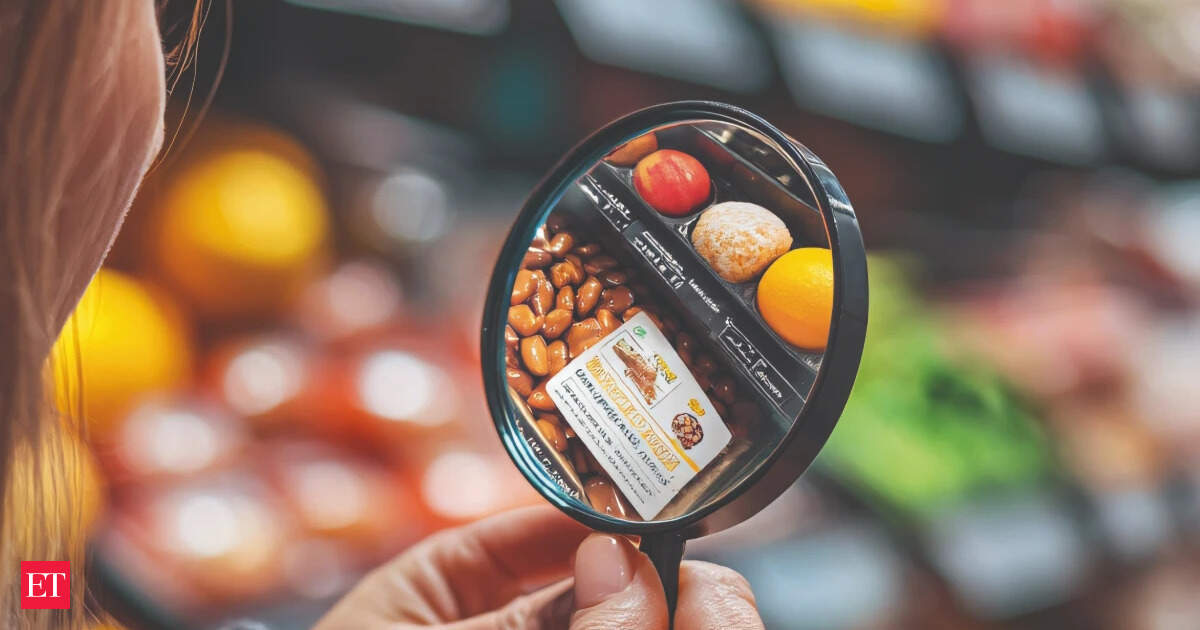
India's food-safety regulator has launched penal action against Amazon, Swiggy Instamart, BigBasket, Flipkart India, and Zepto for regulatory violations on their platforms. CNBC TV18 reported that the Food Safety and Standards Authority of India cited misleading product claims, noncompliant information, and the sale of prohibited food items. All five platforms face charges over a Happilo Premium Date Bites product, while some also violated rules around dairy products and datura fruits—a potentially poisonous item.
The action marks an escalation in Economic Times's reported enforcement campaign targeting food businesses and e-commerce sellers. Mathrubhumi described it as a "major crackdown" on online retailers. The platforms did not immediately respond to inquiries about the charges.
Why FSSAI Targeted These Five Platforms
The violations span multiple categories. Daily Excelsior reported all five platforms face charges over the Happilo Premium Date Bites product. Swiggy Instamart and BigBasket are also cited for noncompliant Milky Mist dairy product listings. Amazon Seller Services, Swiggy Instamart, and BigBasket separately violated rules by selling or displaying datura fruits or seeds—items prohibited under India's Food Safety and Standards Act, 2006.
Mathrubhumi noted the regulator identified issues including misleading or misbranded claims and product information that failed to meet compliance standards. The findings suggest the platforms did not adequately vet sellers or monitor listings for prohibited items.
Part of a Six-Month Enforcement Push
This crackdown follows an intensified Economic Times reported six-month campaign targeting food businesses and e-commerce companies across India. The regulator has been using social media to inform consumers about enforcement actions and compliance issues. The move reflects FSSAI's growing focus on online food sales as a regulatory priority.
CNBC TV18 reported that FSSAI announced the penal action through a social media post rather than formal statements from affected platforms or the regulator itself. This approach signals the agency's intent to publicize violations widely and quickly.
What Happens Next for E-Commerce Food Sellers
Penal action under the Food Safety and Standards Act can result in fines, product recalls, or suspension of seller accounts. Mathrubhumi reported that the action applies to violations of applicable provisions of the 2006 Food Safety Act covering sale, display, and offers for sale through e-commerce platforms. The regulator can compel platforms to delist noncompliant products.
Daily Excelsior noted the platforms have not publicly commented on the charges or outlined remedial steps. Food sellers on these platforms may face stricter listing requirements and verification processes going forward. The action underscores growing regulatory scrutiny of online food marketplaces in India.
Sentiment
Mostly NegativeNEGATIVENEUTRALPOSITIVE
Publishers
17
Articles
23
Reach
40
Topics
A
AnonymousAuthor


