Lost Anglo-Saxon Quarter Found
Archaeologists Uncovering Twenty Coins Reveal Lost Anglo-Saxon Quarter in Rome
Anonymous
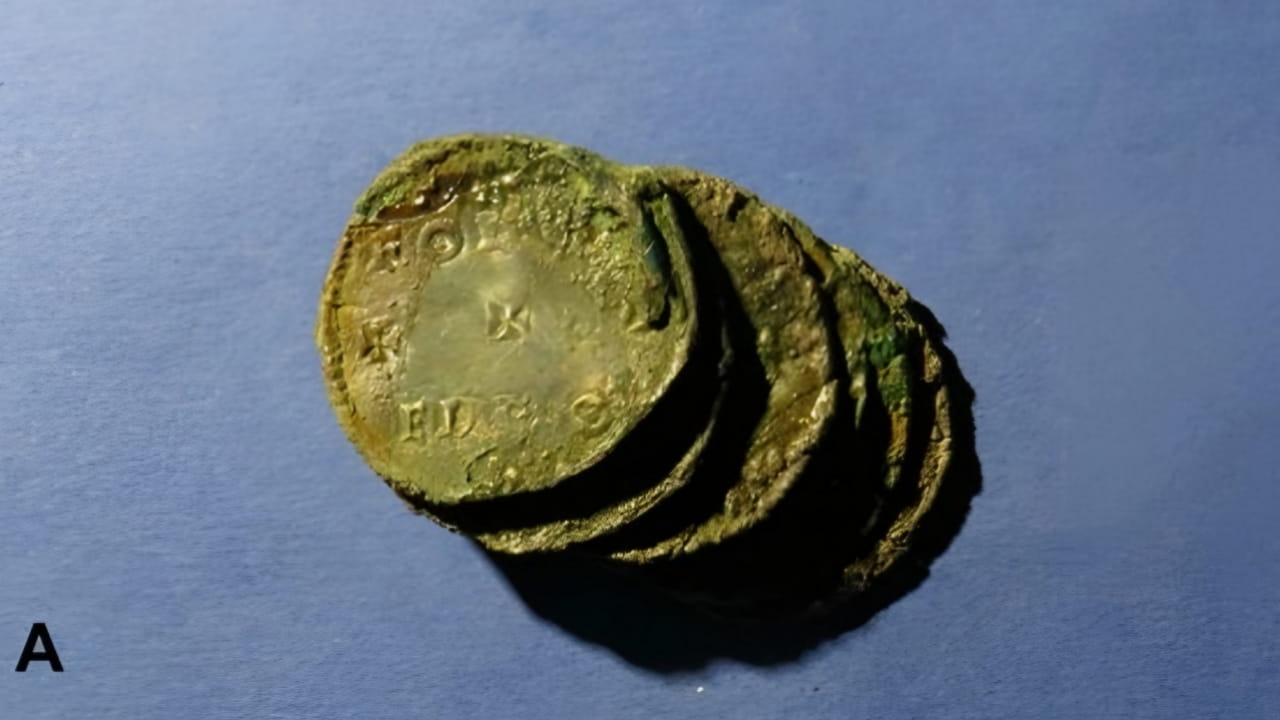
Archaeologists excavating near the Vatican have uncovered 20 Anglo-Saxon coins—the first material evidence of Rome’s Schola Saxonum, an English community known from written records. The coins, including 19 silver pennies and a rare halfpenny, were minted in England over about 40 years and found alongside Roman and Italian coins and evidence of leather, bone and metalworking. The finds suggest the settlement was more than a stop for pilgrims: its residents likely lived and worked there, using money in everyday trade. Researchers also suggest the English may have had special permission to use their own currency, though that interpretation remains a possibility rather than a certainty.
Key Points
1
The Schola Saxonum is described as having been founded around AD 727 by King Ine of Wessex as a charitable institution with a hostel and chapel for Saxon pilgrims.
2
The English settlement occupied land between the Vatican and the River Tiber, near St Peter’s and bridges linking the district to the rest of Rome. Institutions like the Schola Saxonum offered foreign communities accommodation, religious services, charity and practical assistance.
3
The craft area associated with the English quarter extended across at least 3,000 square meters—about half the size of a football field.
4
Rory Naismith said more Anglo-Saxon coins from this period have now been found in Rome than papal coins, adding that the evidence suggests “a very large amount of money was flowing in from England.”
Sentiment
Mostly NegativeNEGATIVENEUTRALPOSITIVE
Publishers
5
Articles
17
Reach
22
A
AnonymousAuthor


