Gulf Energy Defense
US deploys additional Patriot missile batteries to protect Gulf energy facilities amid Iran tensions.
Anonymous
Key Points
1
Iranian strikes have already damaged both countries’ energy infrastructure: an attack on Qatar’s Ras Laffan LNG site in early March forced QatarEnergy to halt most operations, while drone strikes damaged Saudi Arabia’s East-West pipeline pumping stations on September 10 and led to a two-week shutdown. Saudi Arabia has since partially restarted the pipeline; restoring its roughly 4 million barrels-per-day capacity could take several more weeks.
2
U.S. Patriot deployments come amid reports of strain on American air-defence supplies: an assessment by the Center for Strategic and International Studies indicated that U.S. Patriot interceptor reserves had fallen below 1,000 after heavy use during the conflict.
3
Mediators are pursuing an agreement to end the fighting and fully reopen the Strait of Hormuz to commercial shipping. The United States and Israel launched their campaign against Iran in February, with Washington saying its aims included weakening Iran’s missile capabilities and preventing it from developing nuclear weapons.
4
The broader U.S. buildup could include multiple carrier strike groups: the USS Theodore Roosevelt and its strike group were expected to reach the region around mid-November, where they could join the USS George H.W. Bush and USS George Washington.
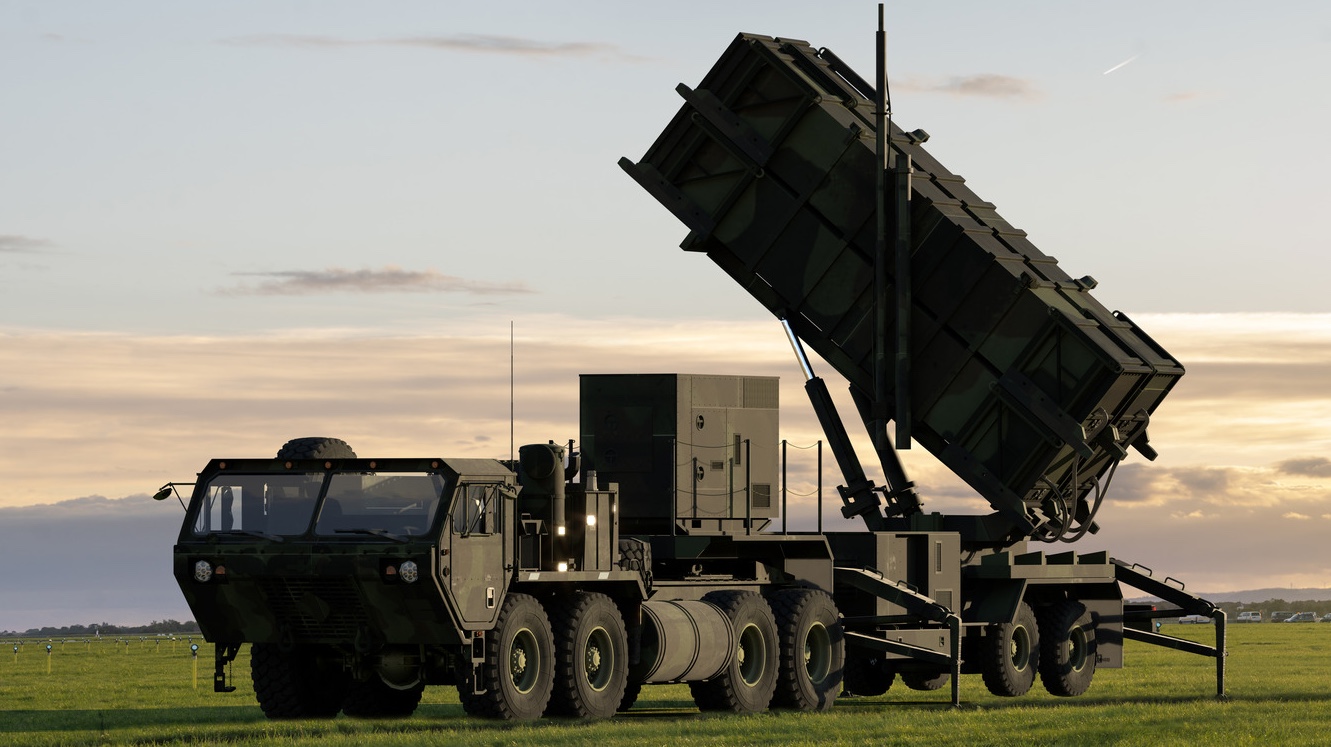
The United States has deployed two additional Patriot missile batteries to protect oil and gas facilities in Saudi Arabia and Qatar as President Trump weighs fresh military strikes on Iran Military Watch. One battery guards a major Saudi oil field while the other protects a Qatari liquefied natural gas site, reflecting U.S. concern that Iranian retaliation could cripple Gulf energy supplies Middle East Eye. The move reassures regional allies who previously warned Trump that attacking Iran could devastate their energy infrastructure.
Iran has already struck both countries' energy facilities this year. In early March, drone attacks forced Qatar to halt operations at its Ras Laffan LNG terminal Oil Price. Saudi Arabia's East-West pipeline suffered damage on September 10 and took two weeks to restart Oil Price. Full recovery of the pipeline's 4 million barrels-per-day capacity could take weeks more.
Why Patriot Defenses Matter Now
Patriot systems can detect and shoot down aircraft, drones, and cruise missiles — Iran's main weapons against Gulf targets Yahoo. The batteries fill a critical gap. Saudi and Qatari leaders had urged Trump to avoid new strikes on Iran, citing vulnerability of their oil platforms and export terminals Middle East Eye. The U.S. is essentially betting that air defenses will deter Iranian retaliation.
America's Air-Defense Supplies Running Low
The U.S. military faces a serious problem: Patriot interceptor stocks have fallen below 1,000 units after heavy use in the conflict, according to the Center for Strategic and International Studies Military Watch. Each Patriot battery fires missiles rapidly. Sustained combat could drain remaining supplies faster than manufacturers can replace them. The deployment suggests Washington is betting the visible deterrent will prevent Iranian attacks rather than trigger them.
A Broader Buildup Targets Iran's Navy and Missiles
The Patriot deployment is part of a much larger U.S. military presence being assembled in the Gulf. The USS Theodore Roosevelt and its strike group are expected to arrive by mid-November Yahoo. They could join two other carrier strike groups already in the region: the USS George H.W. Bush and USS George Washington Yahoo. Three carrier groups in one theater signals serious military readiness.
Mediators are simultaneously pursuing a ceasefire agreement that would reopen the Strait of Hormuz to shipping and end the fighting Oil Price. The original U.S. campaign against Iran, launched in February, aimed to weaken Iranian missile capabilities and block nuclear development. But escalation keeps pulling the region toward military confrontation.
Sentiment
Mostly NegativeNEGATIVENEUTRALPOSITIVE
Publishers
14
Articles
9
Reach
23
A
AnonymousAuthor


