Nobel Winner Makes School Lunches
Stanford Neuroscientist Wins Nobel Prize and Pauses Celebrations to Make School Lunches
Anonymous
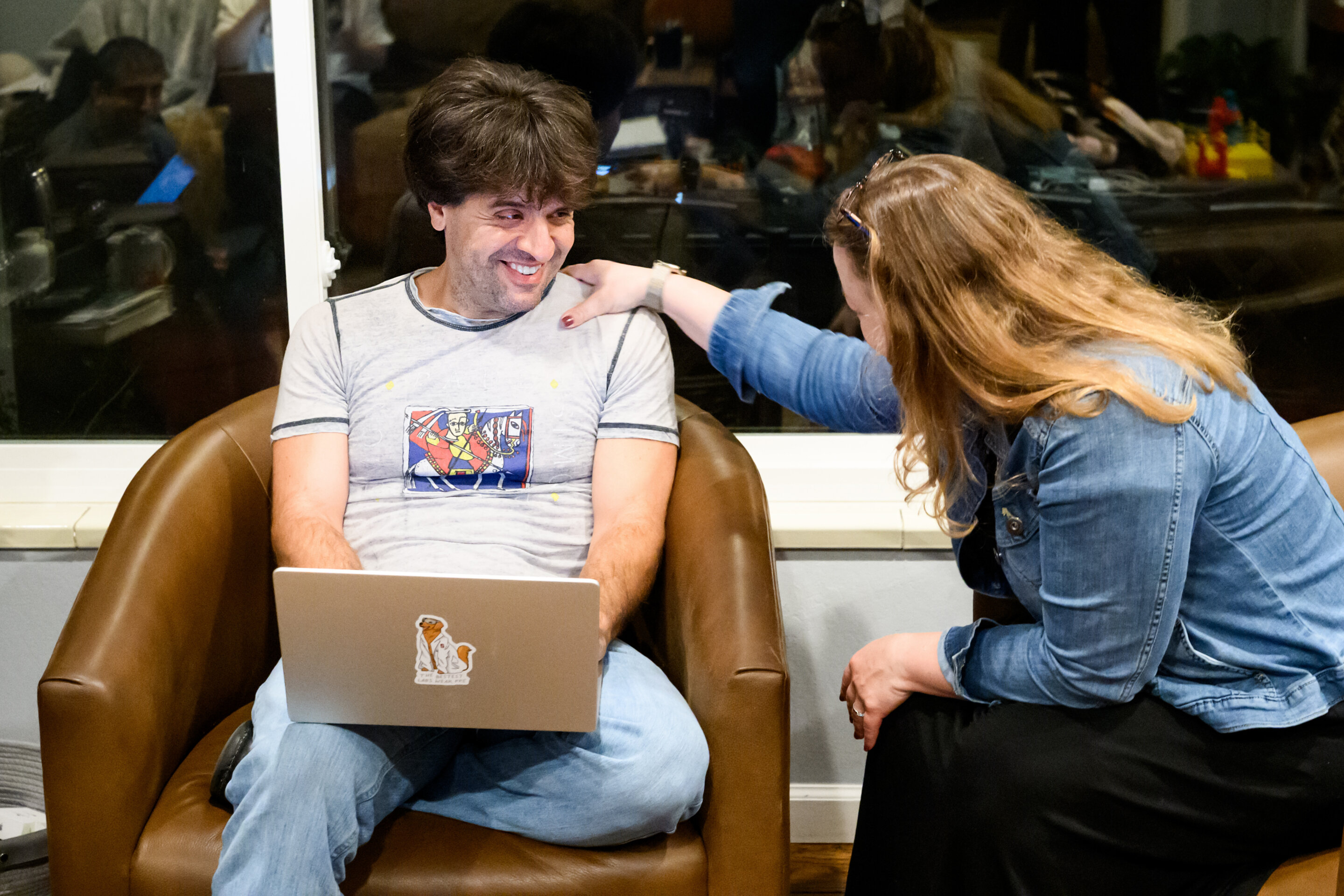
Stanford neuroscientist Karl Deisseroth won the Nobel Prize in Medicine, sharing the award with German researchers Peter Hegemann and Georg Nagel for pioneering optogenetics, which uses light and genetic engineering to control neurons in living brains. After learning of the award in an early-morning call and speaking with journalists through a sleepless night, Deisseroth paused the celebrations to prepare school lunches for his children. A psychiatrist and scientist, he said his work is driven both by hope for patients, including people with autism and depression, and by curiosity about how the brain works.
Key Points
1
Deisseroth said he had been reviewing papers and emailing students before lying down when the Nobel Assembly called; he described himself as a night owl who often works past midnight.
2
Describing his immediate reaction to the call, Deisseroth said, “I almost felt as if I’d lost the power of forming words,” though he recovered after a minute or two.
3
His wife, Stanford pediatric neuro-oncologist Michelle Monje-Deisseroth, welcomed an AP photographer into their home and made coffee for Stanford communications staff; she was unsurprised by the award, unlike Deisseroth.
4
Deisseroth told Stanford staff he needed a one-hour break starting at 6:30 a.m. so he could make lunch before his children woke and left for school.
Sentiment
Mostly NegativeNEGATIVENEUTRALPOSITIVE
Publishers
216
Articles
105
Reach
1.2K
A
AnonymousAuthor


