Transit Modernization Plan
SEPTA Unveils Decade-Long Plan to Modernize Philadelphia Transit Amid Funding Deficit
Anonymous
Key Points
1
SEPTA’s new bus network, launched Aug. 23, is the agency’s first comprehensive bus-network redesign in six decades and is intended to make routes more efficient, reliable and easier to navigate.
2
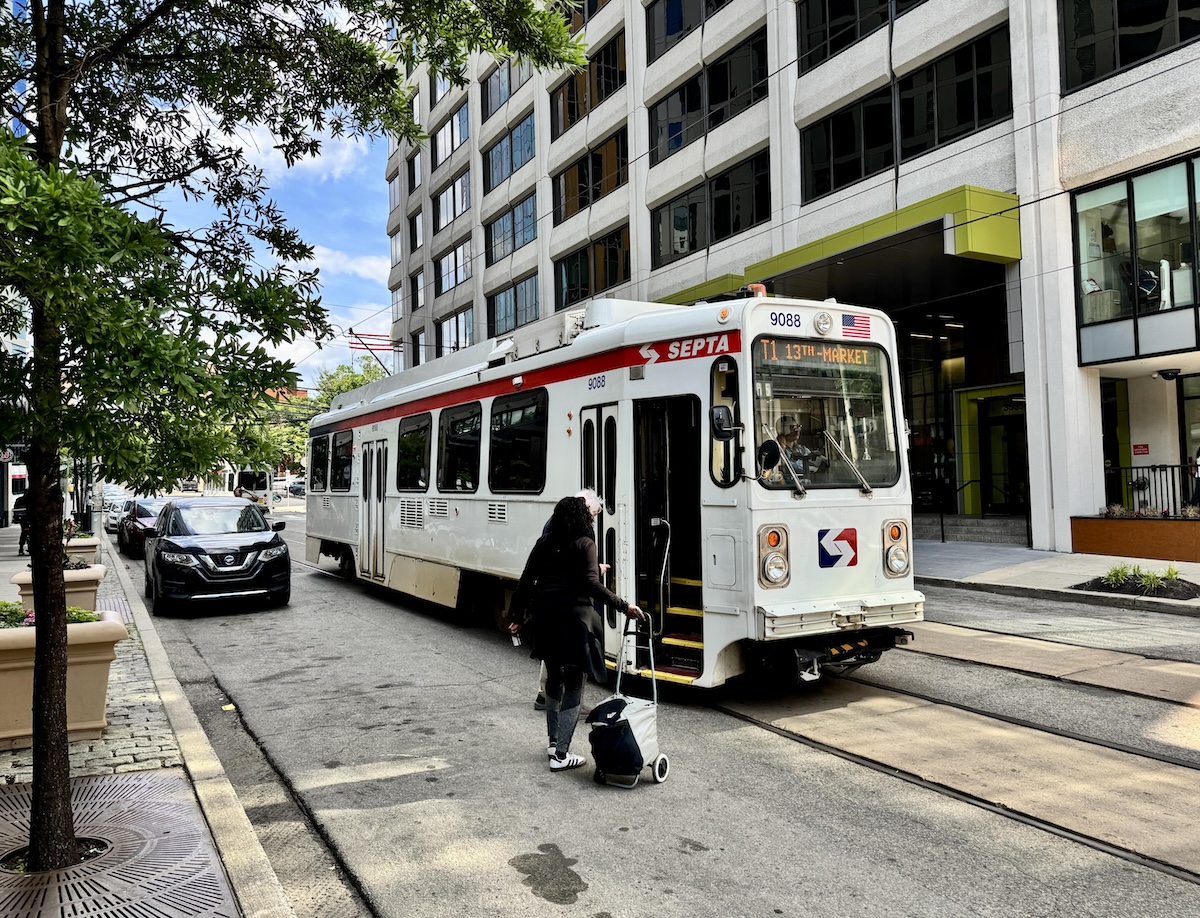
SEPTA expects its new trolley cars to enter service in 2029 and new Market-Frankford (“L”) Line cars to arrive in 2030; the agency also plans to seek bids by the end of the year to replace its aging Silverliner IV Regional Rail fleet.
3
Some modernization efforts already carry major price tags: SEPTA cited a $6 billion trolley modernization program, a $1 billion Market-Frankford Line improvement program and a forthcoming $2 billion Silverliner IV replacement effort.
4
Only about 30% of SEPTA’s Regional Rail stations are currently fully ADA-accessible, underscoring the scale of the agency’s proposed accessibility work.
5
SEPTA serves approximately 800,000 riders daily, according to General Manager Scott Sauer, who declined to estimate the total cost of Accelerate or set a completion date because implementation depends on securing additional investment.
SEPTA has unveiled Accelerate, a decade-long plan to overhaul Philadelphia-area transit with new buses, trolleys, subway and commuter rail cars, plus renovated stations and tracks. Philadelphia Today reports the plan could put roughly two million regional residents within a quarter-mile of frequent transit service. The agency serves about 800,000 riders daily and is seeking stable state funding to close a structural deficit of roughly $192 million to $200 million.
SEPTA has already launched a new bus network—its first comprehensive redesign in 60 years—and plans new trolley cars by 2029 and Market-Frankford Line subway cars by 2030. Transportation Today News notes the modernization effort prioritizes upgrading the existing system over expansion projects like a Roosevelt Boulevard subway, while emphasizing cleanliness, safety and fare enforcement. General Manager Scott Sauer declined to estimate total costs or set a completion date, citing dependence on future funding.
Bus Network Redesign Marks Six-Decade First
SEPTA launched its redesigned bus network on August 23, marking the first comprehensive overhaul in 60 years. The new system is meant to make routes more efficient, reliable and easier to understand. Planetizen reports the plan aims to bring frequent transit within reach of over one million additional residents across the region.
New Rail Cars Arriving Through 2030
SEPTA expects modern trolley cars to begin service in 2029, followed by new Market-Frankford Line vehicles in 2030. Yahoo News notes the authority also plans to seek bids by year's end to replace its aging Silverliner IV Regional Rail fleet. The trolley modernization program carries a $6 billion price tag, while the Market-Frankford improvement effort costs $1 billion and the Silverliner IV replacement will run roughly $2 billion.
Accessibility Gaps Drive Major Investment
Only about 30% of SEPTA's Regional Rail stations are fully accessible to people with disabilities, according to Passenger Transport. The Accelerate plan commits to making every transit trip fully accessible. This massive undertaking reflects SEPTA's goal of serving all 800,000 daily riders regardless of mobility or ability—a cornerstone of the modernization vision.
Funding Roadblock Threatens Timeline
SEPTA faces a structural deficit of $192 million to $200 million annually. Regional business and transit leaders argue stronger service could attract jobs and investment to the area. Without stable state funding commitments, the agency cannot set completion dates or total costs for Accelerate—leaving the plan's success dependent on political and financial support that remains uncertain.
Sentiment
Mostly PositiveNEGATIVENEUTRALPOSITIVE
Publishers
23
Articles
8
Reach
31
Topics
A
AnonymousAuthor


