Ceuta Immigration Defense
Ceuta Installs 500-Meter Floating Barrier as Maritime Defense Against Swimming Immigration
Anonymous
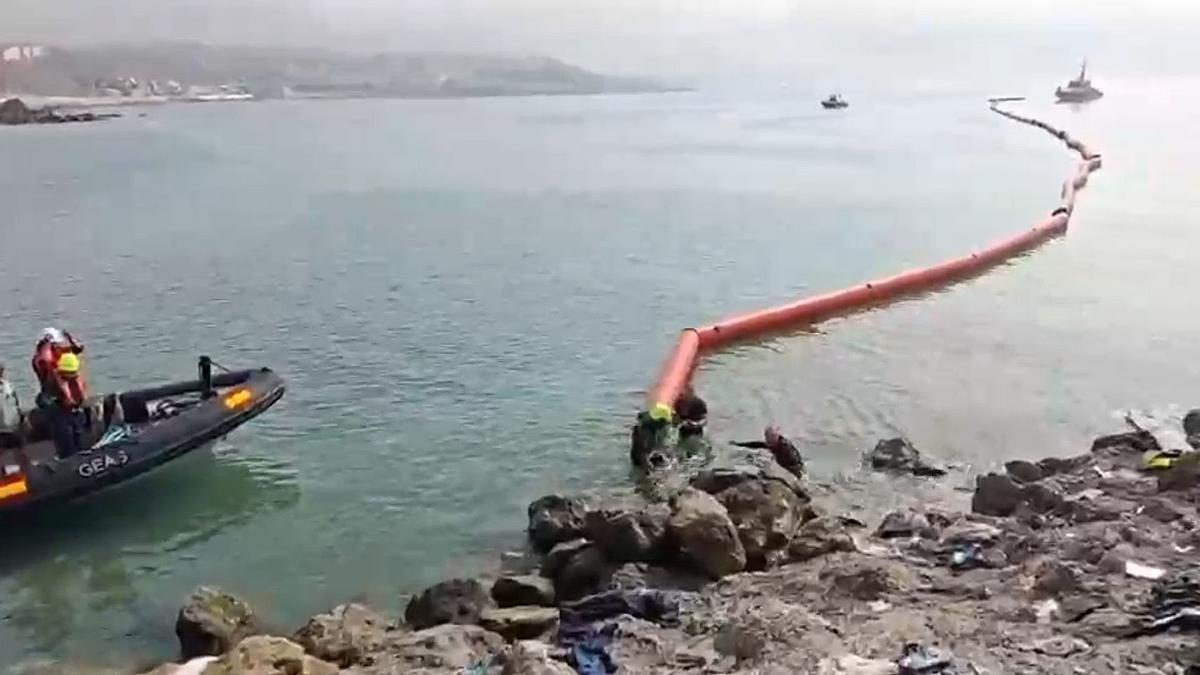
Spain has installed a floating pneumatic barrier off the coast of Ceuta to stop migrants from swimming into the Spanish enclave from Morocco. The structure stretches 500 meters out to sea, sits one meter deep underwater, and rises 70 centimeters above the surface — making it very difficult to cross, according to Diario de Ibiza.
The barrier marks a new kind of sea defense for Ceuta, which has long been a key entry point for migrants trying to reach Europe from Africa. It adds to existing land fences and security measures already in place at the border, Levante EMV reported.
How the Floating Barrier Works in the Water
The barrier is pneumatic, meaning it is inflated with air and designed to float on the water's surface. It extends 500 meters from the shore. One meter of the structure sits below the waterline, and 70 centimeters sticks up above it. Together, those dimensions make it hard to swim under or over, according to La Opinión de Málaga.
The system is anchored in place to keep it from drifting. It is built to hold its position even in rough sea conditions. The design is similar to barriers used in ports and harbors to block debris or contain oil spills, but here it serves a border security role, El Correo Web noted.
Ceuta Has Faced Years of Sea-Crossing Attempts
Ceuta sits at the northern tip of Africa, separated from Morocco by just a short stretch of water. Migrants have long tried to swim or use floats to cross into the enclave. Some attempts happen at night to avoid detection. Spanish authorities have struggled to stop these crossings with boats and patrols alone, Diario de Mallorca reported.
In May 2021, more than 8,000 people crossed into Ceuta in a single day — one of the largest single-day surges ever recorded at a European border. That event pushed Spanish officials to look for new physical barriers beyond the existing land fences, El Día noted.
Spain Bets on Physical Sea Barriers Over Patrol Alone
Spanish authorities see the barrier as a cost-effective tool. Patrol boats must stay active around the clock, which is expensive. A fixed physical structure works continuously without extra staff. The barrier can also alert security forces if someone tries to push through it, La Opinión de Murcia reported.
Critics argue that physical barriers at sea raise safety concerns. A swimmer who cannot get past the structure could panic or drown. Human rights groups have previously warned that sea barriers can turn attempted crossings into deadly situations, according to El Periódico Mediterráneo.
Ceuta's Border Security Keeps Expanding Layer by Layer
Ceuta already has one of Europe's most fortified land borders. A double fence with razor wire separates the enclave from Morocco on land. Surveillance cameras, motion sensors, and border guards are all part of the system. The new sea barrier adds another layer to that network, LNE reported.
Spain has increased border spending in Ceuta and Melilla in recent years. The new barrier is part of a broader push to stop sea crossings before they reach the shore. Officials have not yet said how much the installation cost or how long it is expected to last, according to El Correo Gallego.
Sentiment
NeutralNEGATIVENEUTRALPOSITIVE
Publishers
15
Articles
0
Reach
15
A
AnonymousAuthor


