Colorado’s St. Mary’s Snowfield Reportedly Melts Out
Colorado’s St. Mary’s Snowfield Reportedly Melts Out
Anonymous
Key Points
1
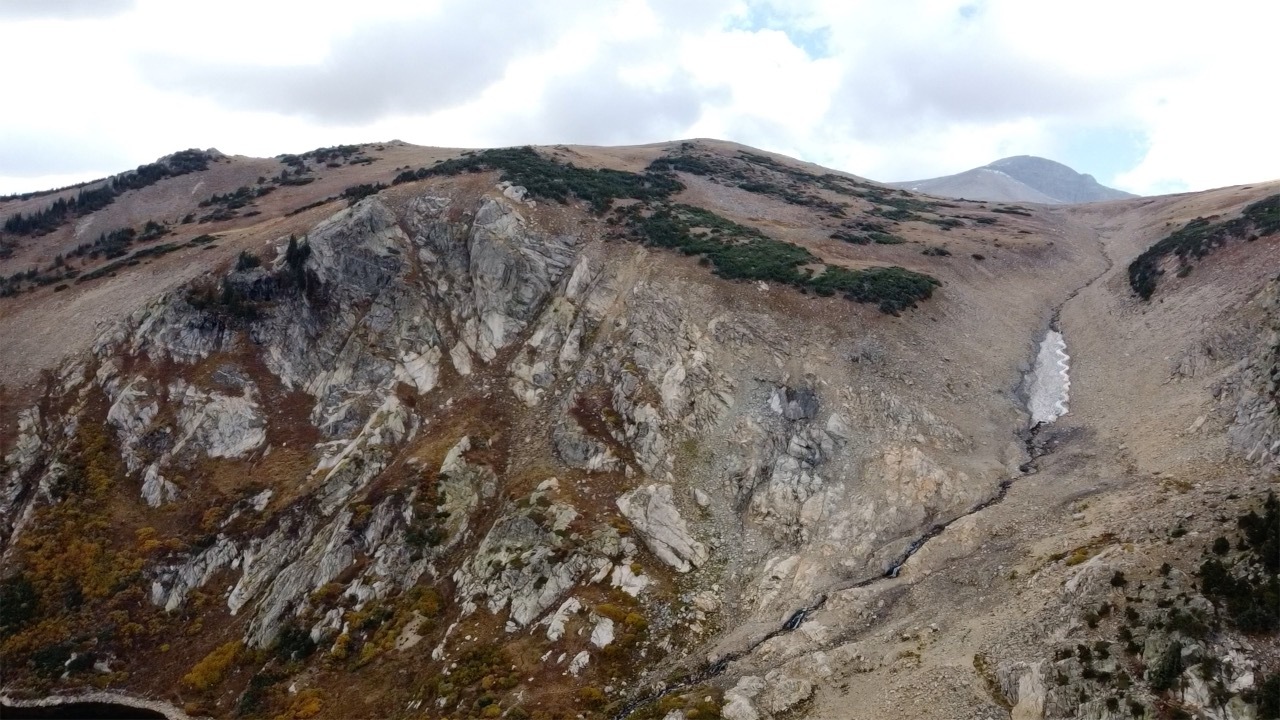
By late August, only four or five ice chunks remained; the largest was estimated at 75–80 feet long, 15 feet wide and just 10–15 inches thick. The final skiable patch disappeared sometime between Sept. 1 and Sept. 16, leaving a stream and discarded ski-rail materials behind.
2
St. Mary’s has a long tourism and ski history: an adjacent ski area operated for roughly 50 years before closing in 1986, and annual Fourth of July ski competitions once drew thousands of visitors.
3
The site was unusually accessible for year-round snow, located about 30 minutes from Interstate 70 and reached by a roughly 1.5-mile hike. Historic newspapers documented its presence near the mining town of Alice in the late 1800s and promoted it as a major tourist attraction in the early 1900s.
4
Longtime summer skier Jordan Lipp, who began skiing the snowfield in 2009 and has tracked its condition for nearly 30 years, described its disappearance as “so sad” after managing to salvage only one final ski day this season.
5
Visitors encountered a sharply altered landscape: some said they had not realized a glacier—or perennial snowfield—had been there, while Thornton resident Elena Herrera said the disappearance showed that “we’re having a climate crisis and that something needs to be done about it.”
Colorado's St. Mary's Snowfield has melted completely for the first time on record, leaving only bare rock and a stream where snow persisted for centuries. Denver7 reported that the site, technically a perennial snowfield rather than a true glacier, vanished after the state's hottest summer on record combined with an exceptionally weak winter snowpack and severe drought. By late August, only four or five small ice chunks remained, with the largest measuring roughly 75–80 feet long, 15 feet wide, and just 10–15 inches thick. The final skiable patch disappeared sometime between September 1 and September 16.
The disappearance marks a stark environmental and recreational loss for the state. CPR noted that warming temperatures are accelerating the decline of Colorado's remaining ice fields, and scientists warn the state could lose all of its named glaciers by 2080—a shift that threatens water supplies and tourism. A return to cooler, wetter winters could allow St. Mary's to recover, but experts say that would take considerable time.
A Beloved Hiking and Skiing Destination Gone
St. Mary's Snowfield was unusually accessible for year-round snow, located about 30 minutes from Interstate 70 via a roughly 1.5-mile hike. Outside Online reported that the site drew summer camps and year-round skiers seeking consistent snow. An adjacent ski area operated for roughly 50 years before closing in 1986, and historic Fourth of July ski competitions once attracted thousands of visitors. Denver Gazette noted that historic newspapers documented the snowfield's presence near the mining town of Alice in the late 1800s and promoted it as a major tourist attraction in the early 1900s.
Longtime Skier Captures the Final Season
Jordan Lipp, a summer skier who began visiting St. Mary's in 2009 and tracked its condition for nearly 30 years, managed only one final ski day this season. Outside Online quoted Lipp calling the snowfield's disappearance
Visitors encountered a starkly altered landscape where rock, debris, and abandoned ski-rail materials now dominated the terrain. Some hikers said they had not realized a perennial snowfield had existed at the spot. Denver Gazette reported that Thornton resident Elena Herrera saw the loss as proof that "we're having a climate crisis and that something needs to be done about it."
Colorado's Glaciers Disappearing Faster Than Expected
Krystal 93 reported that St. Mary's Snowfield's melt is part of a broader trend of shrinking and retreat across Colorado's ice fields. CPR noted that associate professor Dan McGrath with Colorado State University's Department of Geosciences has tracked the state's glacial decline. Scientists point to warming temperatures as the primary driver, with the state's recent record-hot summer and weak winter snowpack combining to eliminate the snowfield entirely this year.
If current warming trends continue, Colorado could lose all of its named glaciers by 2080. The loss threatens both the state's water supply—which depends partly on snowmelt—and its tourism economy. However, a sustained period of cooler and wetter winters could theoretically allow St. Mary's Snowfield to reform, though recovery would require years or decades of consistent conditions.
Sentiment
Mostly NegativeNEGATIVENEUTRALPOSITIVE
Publishers
13
Articles
24
Reach
37
A
AnonymousAuthor


