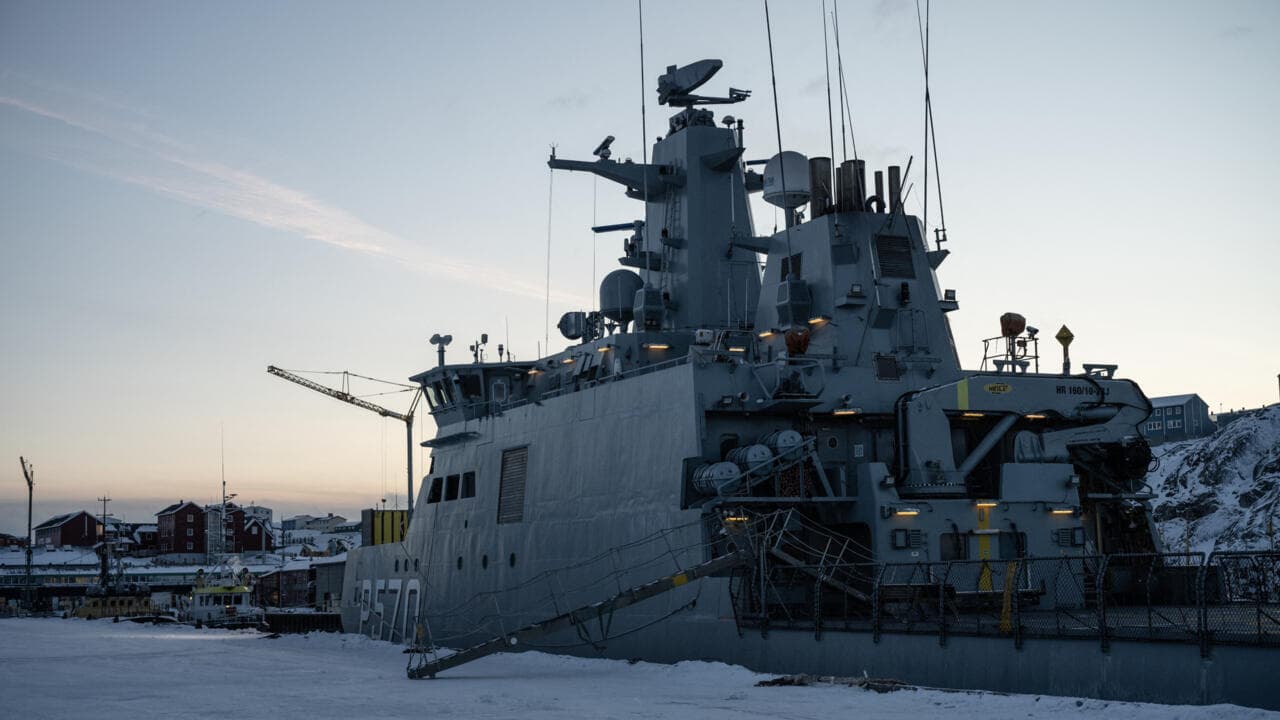
Rising Arctic Security Threats
Canada and Allies Confront Multiple Threats Amid Rising Tensions in the Arctic
Anonymous
Key Points
1
The Whitehorse workshop included an expert-panel program, a tabletop crisis exercise and a small-group consultation at the Arctic Training Centre; organizers said they hope to make it a recurring event on Canada’s security calendar.
2
Comparative discussions drew on security practices from Northern Europe, the Baltic states, Taiwan, Japan and Southeast Asia. A related paper contrasted Sweden’s strengths in national “total defense” and psychological readiness with Canada’s stronger record of Indigenous integration, while noting shortcomings in each model.
3
The 2026 Arctic poll surveyed 650 residents of Nunavut, the Northwest Territories, Yukon and Nunavik in May; 60% favored Canada taking a firm position in Arctic disputes, while 26% preferred negotiating a compromise. The previous year, the United States was identified as the top threat by 37%, compared with 35% for Russia and 17% for China.
4
Canada’s announced northern defense spending includes $32 billion for military infrastructure at forward operating locations and Goose Bay, plus a further $2.67 billion for northern operational hubs and nodes.
5
The Greenland arrangement could make the island more attractive for investment and infrastructure development because of its growing strategic importance, while Denmark accepted expanded U.S. access partly because a prolonged confrontation with Washington would carry significant strategic costs for Copenhagen.
Canada's Arctic security concerns stretch far beyond traditional military threats. A major workshop in Whitehorse brought together government officials, military leaders, Indigenous representatives, and international experts to tackle foreign disinformation, economic pressure, critical-minerals competition, and potential Russian and Chinese influence in Northern communities CBC.
The spotlight on Arctic threats comes as 48% of Canadian Arctic residents now identify the United States under President Donald Trump as the region's biggest security concern, according to a 2026 poll CBC. Russia ranks second at 30% and China third at 12%, despite Canada and Washington remaining formal defense partners. Canada is investing tens of billions in northern military infrastructure and expanding NATO cooperation to address these complex security challenges.
Workshop Brings Together Arctic Security Experts
The Whitehorse gathering featured expert panels, a tabletop crisis exercise, and small-group consultations at the Arctic Training Centre CBC. Organizers plan to make the workshop an annual fixture on Canada's security calendar. The event drew lessons from Northern Europe, the Baltic states, Taiwan, Japan, and Southeast Asia—regions that face similar threats to sovereignty and stability.
Discussions revealed contrasting strengths: Sweden excels at national "total defense" and psychological readiness, while Canada demonstrates stronger Indigenous integration CBC. Both countries have gaps. The comparative approach helps officials understand which security practices work best in Arctic conditions where isolation, remote populations, and limited infrastructure complicate defense.
Arctic Residents Shift Threat Perception in One Year
A May 2026 survey of 650 residents across Nunavut, Northwest Territories, Yukon, and Nunavik revealed major changes in threat assessment CBC. The United States rose from 37% in 2025 to 48% in 2026 as the top security concern. Russia fell from 35% to 30%, while China remained relatively flat at 12% versus 17% the prior year.
When asked about Canada's approach to Arctic disputes, 60% of respondents favored taking a firm position CBC. Only 26% preferred negotiating a compromise. The polling shift suggests Arctic communities are watching U.S. political developments closely and expressing concern about unpredictability in Washington's Arctic strategy.
Canada Commits $32 Billion to Northern Military Buildup
Canada announced $32 billion in military infrastructure spending at forward operating locations and Goose Bay CBC. An additional $2.67 billion will fund northern operational hubs and nodes. These investments reflect Ottawa's determination to strengthen military presence and response capacity across the Arctic as competitors expand influence in the region.
The spending targets critical gaps in surveillance, logistics, and personnel deployment. Harsh climate, vast distances, and sparse infrastructure make Arctic operations expensive but essential. Canada aims to match the military readiness of allies like Norway and reduce reliance on southern bases for rapid Arctic response.
U.S. Greenland Access Strengthens Without Island Acquisition
The United States and Denmark agreed to expand U.S. military access to Greenland while preserving Danish sovereignty and Greenlandic self-determination CBC. The arrangement limits potential Russian and Chinese military activity without Washington acquiring the territory. Denmark accepted expanded access partly because prolonged confrontation with the U.S. would carry major strategic costs for Copenhagen.
Increased U.S. presence could make Greenland more attractive for investment and infrastructure development CBC. The island's growing strategic importance—sitting near Arctic shipping routes and mineral resources—makes it a crucial piece of the Arctic security puzzle for NATO and its allies.
Sentiment
Mostly NegativeNEGATIVENEUTRALPOSITIVE
Publishers
21
Articles
39
Reach
60
A
AnonymousAuthor