Triglav Glacier Disappearing
Slovenia's Triglav Glacier is expected to disappear within days due to extreme alpine warming.
Anonymous
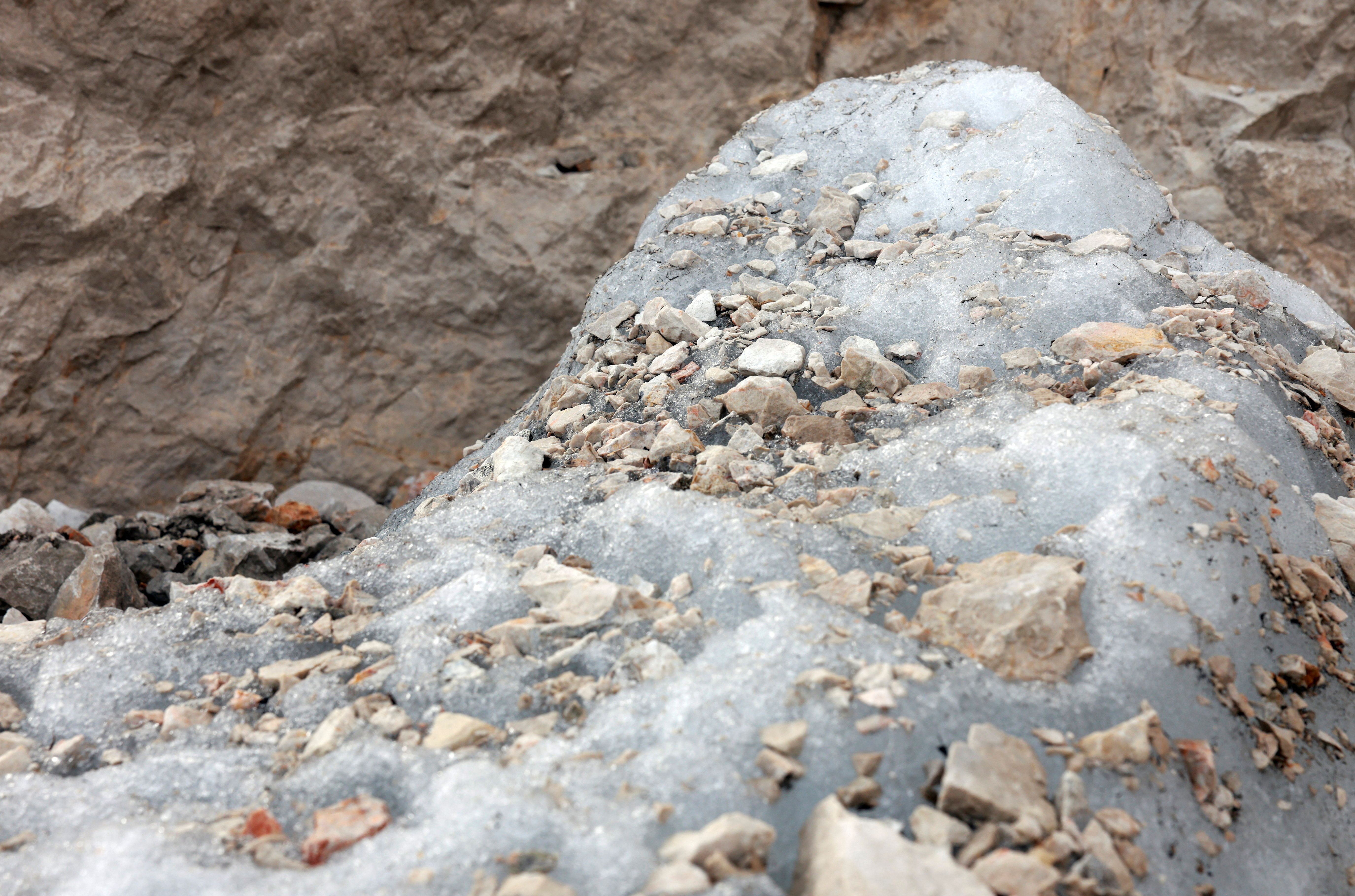
Slovenia’s Triglav Glacier, once a summer skiing destination and a symbol of Alpine heritage, has dwindled from about 14 hectares in 1946 to a few ice patches that researchers say could disappear within days. Scientists say it has largely stopped functioning as a glacier, with no new ice accumulating; below-average snowfall and unusually early melting left the remnants exposed to summer heat. Researchers warn that glacier loss across the warming Alps could eventually reduce flows in the Drava and Mura river basins, which supply irrigation water to parts of Slovenia.
Key Points
1
Miha Pavšek said he has personally monitored the glacier for 30 years and believes the work focused on the glacier below Triglav may come to an end this year.
2
Pavšek warned that even a sheltered, shady location can no longer protect the remaining ice, underscoring how little the glacier’s natural shelter now helps.
3
The articles describe Europe as the continent warming faster than any other, placing the Triglav glacier’s decline in the context of widespread glacier loss across the region.
4
Pavšek identified the Drava and Ptuj fields, along with parts of the area along the Mura River, as places whose irrigation could be affected by reduced river flows.
Sentiment
Mostly NegativeNEGATIVENEUTRALPOSITIVE
Publishers
6
Articles
42
Reach
48
A
AnonymousAuthor


